World News
US-Iran War: 11th Night of American Strikes Deepens Crisis as Pakistan Diplomacy Falters
The conflict between the United States and Iran has entered another dangerous phase, with the US military completing its 11th consecutive night of strikes on Iranian targets as diplomatic efforts to revive a collapsed ceasefire agreement continue to lose momentum.

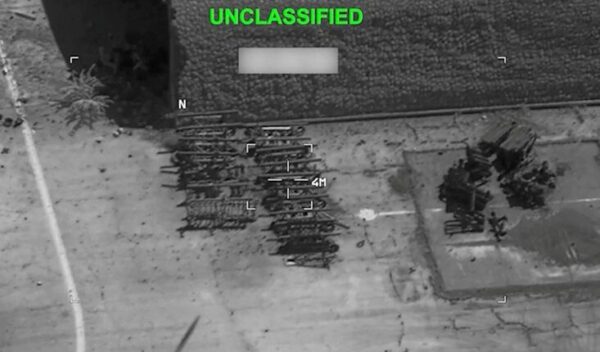
The conflict between the United States and Iran has entered another dangerous phase, with the US military completing its 11th consecutive night of strikes on Iranian targets as diplomatic efforts to revive a collapsed ceasefire agreement continue to lose momentum.
According to the US Central Command, the latest strikes targeted military infrastructure, including aircraft hangars and drone storage facilities. The fresh wave of attacks came shortly after President Donald Trump indicated that the US military campaign against Iran could intensify further.
The escalating military action has overshadowed diplomatic efforts in Pakistan, where Iranian Interior Minister Eskandar Momeni travelled as part of attempts to revive negotiations and find a possible path towards ending the conflict.
However, there were few immediate signs of a breakthrough.
Trump Signals Little Interest in Immediate Talks
Speaking from the Oval Office on Tuesday, President Trump adopted a hardline position on the possibility of renewed negotiations with Tehran. He said the US currently had “no interest in meeting” with Iranian officials unless they were prepared for what he described as meaningful discussions.
Trump also warned that US forces could target areas near one of Iran’s key nuclear facilities, raising concerns that the conflict could enter an even more dangerous phase.
Iran, meanwhile, has warned that any attack on nuclear or other sensitive facilities would represent a major escalation.
Strait of Hormuz Becomes the Centre of the Conflict
While the diplomatic efforts continue, the Strait of Hormuz has increasingly become one of the main flashpoints in the conflict.
The strategically important waterway is a major route for global energy shipments. Before the war, around one-fifth of the world’s crude oil and natural gas shipments passed through the strait, making any prolonged disruption a serious concern for international markets.
The US has carried out repeated strikes in an effort to weaken Iran’s ability to threaten commercial shipping. However, the military campaign has so far failed to fully loosen Tehran’s grip over the vital maritime route.
At the same time, Iran has continued its attacks against US allies and commercial shipping in the region.
Tanker Attack Adds to Regional Tensions
The latest escalation came after a tanker was attacked in the Strait of Hormuz, forcing its crew to abandon the vessel. Iranian forces have also continued launching attacks against US allies in the region.
Air-raid sirens were reported in Bahrain and Kuwait as the broader conflict continued to spread across the Middle East.
The attacks have raised fears that the crisis could expand beyond the US-Iran confrontation and threaten critical energy and shipping routes across the region.
Oil Prices Rise as Global Markets Watch the Conflict
The intensifying conflict has also begun to put fresh pressure on energy markets.
International crude oil prices moved above $92 per barrel on Wednesday, while average regular gasoline prices in the United States climbed to around $4 per gallon.
With shipping through the Strait of Hormuz largely disrupted and diplomatic efforts facing major obstacles, concerns are growing that a prolonged conflict could further affect global energy supplies, transportation costs and inflation.
For now, the situation remains highly uncertain. As military strikes continue and diplomatic efforts struggle to regain momentum, the possibility of a wider regional escalation remains one of the biggest concerns for the international community.
Read Also : Palampur Indoor Stadium Gets Centre’s Nod; Swimming Pool and Shooting Range Planned