World News
US Hits 90 Iranian Military Targets as Tehran Strikes Back at Bases in Bahrain and Kuwait
The conflict between the United States and Iran intensified for the second consecutive day after the US carried out large-scale military strikes on approximately 90 Iranian targets. In response, Iran launched missile attacks on US military bases in Bahrain and Kuwait, raising concerns over a broader regional conflict and global energy security.

The conflict between the United States and Iran intensified for the second consecutive day after the US carried out large-scale military strikes on approximately 90 Iranian targets. In response, Iran launched missile attacks on US military bases in Bahrain and Kuwait, raising concerns over a broader regional conflict and global energy security.
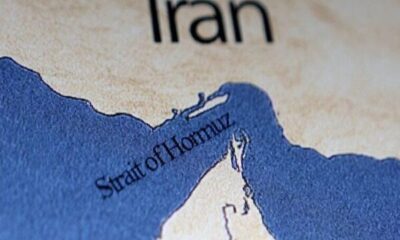
The latest exchange of attacks has heightened fears of instability across West Asia, particularly around the strategically important Strait of Hormuz, where commercial shipping activity has reportedly declined sharply.
According to the US Central Command (CENTCOM), the latest operation targeted Iranian military infrastructure aimed at reducing Tehran’s ability to threaten commercial shipping and civilian vessels in the Strait of Hormuz.
The strikes reportedly hit air defence systems, missile and drone storage facilities, coastal surveillance assets, naval capabilities, and military logistics sites located in eastern Iranian cities, including Iranshahr, Bandar Abbas, Konarak, Chabahar, Bushehr, and Aq Qala in northeastern Iran.
Iranian state media reported that one firefighter lost his life during an attack near Iranshahr Airport. Officials also confirmed that a maritime control tower and a storage depot in Chabahar were damaged, while a railway bridge in Aq Qala was reportedly targeted.
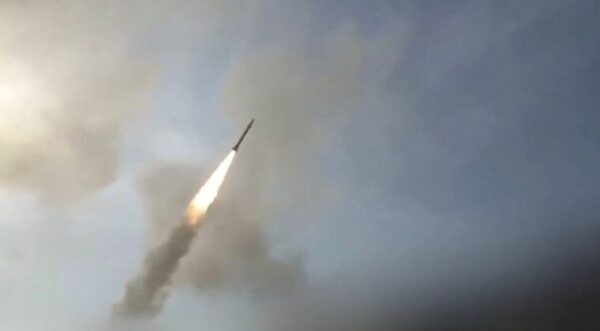
Hours after the US operation, Iran retaliated by launching missiles at American military bases in Bahrain and Kuwait. The Islamic Revolutionary Guard Corps (IRGC) warned that any future US military action could trigger attacks on additional American bases across the region.
Iranian Parliament National Security Committee spokesperson Ebrahim Rezaei also issued a warning through social media, saying Iran’s response would be firm if the conflict continued.
The Strait of Hormuz remains at the center of the dispute. Iranian Parliament Speaker Mohammad Bagher Ghalibaf stated that the vital waterway would operate according to Iran’s decisions rather than American pressure.
The US administration, however, continues to insist that the Memorandum of Understanding (MoU) signed on June 17 guarantees unrestricted passage for international shipping through the Strait of Hormuz, which Washington considers a critical international waterway for global trade and energy supplies.
Reacting to the escalating situation, India expressed deep concern over the growing tensions in West Asia. The Ministry of External Affairs urged all parties to exercise restraint, avoid further escalation, protect civilians, and ensure the uninterrupted flow of energy supplies and international commerce.
Meanwhile, speaking to reporters aboard Air Force One, US President Donald Trump said the American military had delivered a powerful response and warned that any future Iranian attacks would be met with an even stronger reaction.
The continued military exchanges have intensified international concerns over regional stability, oil supply disruptions, and the possibility of a wider conflict affecting global markets.