World News
Iran Confirms Strait of Hormuz Toll Revenue Deposited in Cash, Rejects Crypto Payment Claims
In a significant development, Iran’s central bank has officially confirmed that revenue collected from newly imposed transit tolls on ships passing through the Strait of Hormuz has been deposited in cash, dismissing earlier speculation about cryptocurrency payments.

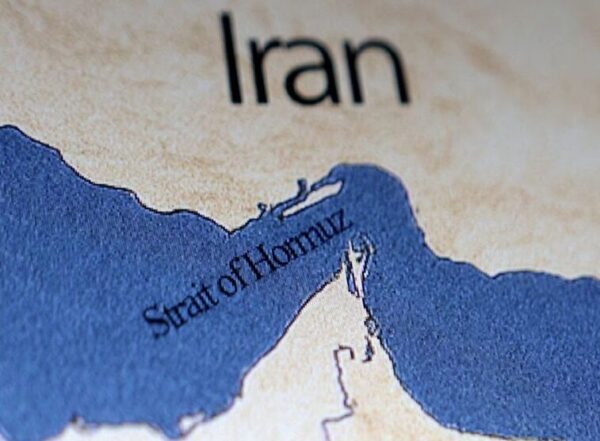
In a significant development, Iran’s central bank has officially confirmed that revenue collected from newly imposed transit tolls on ships passing through the Strait of Hormuz has been deposited in cash, dismissing earlier speculation about cryptocurrency payments.
According to Iranian state media Press TV, the funds were received in “cash currency” and credited directly to the central bank’s accounts. This clarification comes after widespread reports suggested that Iran might be accepting payments in digital assets such as Bitcoin or other cryptocurrencies.
Adding to the confirmation, Deputy Parliament Speaker Hamidreza Hajibabaee revealed that the first batch of toll revenue has already been successfully deposited. Speaking at a public event in Kuhdasht, he emphasized Iran’s sovereign control over the strategic waterway.
“The Strait of Hormuz belongs to the Iranian people,” Hajibabaee stated, asserting that no foreign entity has the authority to negotiate or interfere in its governance. He further declared that all vessels transiting through the route are required to pay tolls in Iranian rials as a legitimate fee for using the country’s territorial waters.
In a strong warning, Hajibabaee indicated that Iran could restrict maritime movement if tensions with the United States escalate. “If aggressive policies continue, no ships will be allowed to pass,” he said, adding that Iran has already seized two vessels for violations and may take further action if necessary.
Highlighting the strategic importance of the region, the deputy speaker noted that nearly 20% of global oil and 35% of natural gas shipments pass through the Strait of Hormuz. He described Iran’s control over the route as a major geopolitical advantage and a reflection of its growing influence.
The statement underscores rising tensions in one of the world’s most critical energy corridors, drawing global attention to how Iran’s policies could impact international trade and energy markets.