World News
Iran FM Abbas Araghchi Returns to Pakistan Amid Stalled Peace Talks; Trump Signals Direct Call Option
In a crucial diplomatic development, Iran’s Foreign Minister Abbas Araghchi has returned to Pakistan, signaling renewed efforts to revive stalled peace negotiations amid ongoing regional tensions. His visit comes shortly after a high-level stop in Oman, highlighting Tehran’s urgent push to de-escalate the situation.

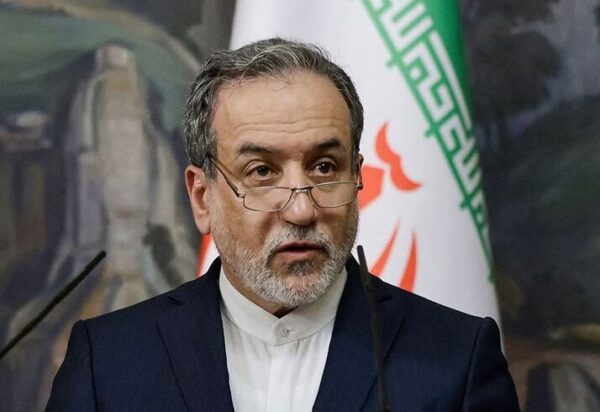
In a crucial diplomatic development, Iran’s Foreign Minister Abbas Araghchi has returned to Pakistan, signaling renewed efforts to revive stalled peace negotiations amid ongoing regional tensions. His visit comes shortly after a high-level stop in Oman, highlighting Tehran’s urgent push to de-escalate the situation.
During his visit to Muscat, Araghchi held key discussions with Sultan Haitham bin Tariq and Omani Foreign Minister Badr al-Busaidi. The talks primarily focused on regional security and reducing tensions in the Gulf, especially around the strategically significant Strait of Hormuz — a vital route for global oil shipments.
Pakistan, long seen as a quiet mediator between Iran and the United States, once again finds itself at the center of delicate backchannel diplomacy. However, hopes for progress have taken a hit after US President Donald Trump cancelled a planned visit by American envoys to Islamabad, effectively slowing down ongoing negotiations.
Despite this setback, Trump has indicated openness to direct communication. Speaking in an interview, he suggested that Iran could simply pick up the phone if it wanted to negotiate an end to the conflict. His remarks underline a shift toward a more direct — yet uncertain — diplomatic approach.
Meanwhile, Iran has maintained a firm stance. President Masoud Pezeshkian has made it clear that Tehran will not engage in talks under pressure, emphasizing the need for the US to lift its naval blockade. The restrictions have significantly impacted Iran’s economy and disrupted maritime trade.
Araghchi’s ongoing diplomatic tour, which includes Pakistan, Oman, and an upcoming visit to Russia, reflects a broader attempt to build international consensus and push for a long-term resolution. Iranian officials say the mission is focused on securing “lasting peace,” though challenges remain steep.
Even with a temporary ceasefire in place, the situation across the region remains highly fragile. Iran’s near shutdown of the Strait of Hormuz has raised concerns in global energy markets, while the US continues to enforce maritime restrictions. Adding to the complexity, tensions between Israel and Hezbollah in Lebanon continue to simmer despite a truce.
Regional powers, including Pakistan and Oman, are actively trying to bring both sides back to the negotiating table. However, key issues such as sanctions relief, maritime access, and long-term security guarantees continue to block meaningful progress.
As diplomatic channels remain strained, Araghchi’s shuttle diplomacy highlights both the urgency and the difficulty of preventing further escalation. For now, the world watches closely as fragile peace efforts hang in the balance.