World News
Iran FM Abbas Araghchi Visits Pakistan Again Amid Rising US-Iran Tensions, Peace Talks Gain Momentum
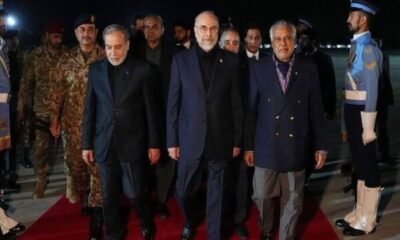
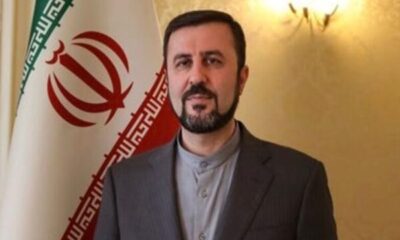
Iran’s Foreign Minister Abbas Araghchi arrived in Pakistan’s capital on Tuesday, marking his third visit within just 48 hours. The rapid diplomatic movements come at a critical time, as Tehran steps up efforts to reduce tensions with the United States and stabilize the West Asian region.


Iran’s Foreign Minister Abbas Araghchi arrived in Pakistan’s capital on Tuesday, marking his third visit within just 48 hours. The rapid diplomatic movements come at a critical time, as Tehran steps up efforts to reduce tensions with the United States and stabilize the West Asian region.
Araghchi’s latest visit follows high-level meetings in St Petersburg, where he held extensive discussions with Russian President Vladimir Putin. The talks reportedly lasted over 90 minutes and covered a wide range of issues, including regional security, bilateral cooperation, and the ongoing conflict involving the United States and Israel.
In a statement, Araghchi described the meeting as “productive,” emphasizing that both sides engaged in detailed discussions on what he termed as “war and aggression” in the region. He also highlighted the growing strategic partnership between Iran and Russia, thanking Moscow for its continued support.
Pakistan’s Emerging Role as a Peace Mediator
Araghchi’s repeated visits underline Pakistan’s increasing importance as a diplomatic bridge in the crisis. Islamabad is believed to be facilitating indirect communication between Tehran and Washington, positioning itself as a key player in ongoing peace efforts.
Diplomatic observers suggest that these back-to-back visits signal urgency, as multiple stakeholders work behind the scenes to prevent further escalation.
US Response and Strait of Hormuz Proposal
Meanwhile, developments in Washington indicate that a possible breakthrough may be on the horizon. The White House confirmed that a proposal from Iran—aimed at ending hostilities and reopening the critical Strait of Hormuz—is currently under review.
White House Press Secretary Karoline Leavitt stated that US President Donald Trump has already discussed the proposal with his national security team.
According to sources, the proposal outlines a phased approach: first, restoring maritime operations in the Strait of Hormuz, followed by broader negotiations, including nuclear discussions at a later stage.
Global Implications
The Strait of Hormuz remains one of the world’s most vital oil transit routes, making any disruption a major concern for global markets. A successful agreement could not only ease geopolitical tensions but also bring stability to international energy supplies.
Russia, for its part, has expressed support for peaceful resolution efforts. President Putin reiterated Moscow’s commitment to regional stability and backed Iran’s interests, signaling continued cooperation between the two nations.