World News
Iran-US Conflict Escalates After Trump Rejects Hormuz Deal Proposal, Oil Prices Surge
A fresh wave of military escalation between Iran and the United States has raised fears of a wider conflict in West Asia, sending global oil prices sharply higher and increasing concerns over economic instability worldwide.


A fresh wave of military escalation between Iran and the United States has raised fears of a wider conflict in West Asia, sending global oil prices sharply higher and increasing concerns over economic instability worldwide.
The situation intensified on Thursday after both countries exchanged strikes targeting military-linked facilities, while former US President Donald Trump publicly rejected reports of a possible compromise agreement involving the strategically important Strait of Hormuz.
Following reports of fresh US military action against Iranian targets near Bandar Abbas, crude oil prices climbed more than 2 percent, reaching nearly $96 per barrel. Analysts believe continued instability in the region could further impact global fuel prices and international trade routes.
Iran Claims Retaliatory Strike on US-Linked Base
Iran’s Islamic Revolutionary Guard Corps (IRGC) announced that it had launched retaliatory strikes on a military base in Kuwait allegedly used by US forces. According to Iranian officials, the action came in response to what Tehran described as “American aggression” near the Strait of Hormuz.
The US Central Command confirmed that a ballistic missile launched by Iran towards Kuwait was intercepted successfully by Kuwaiti defense systems. American officials also stated that multiple Iranian attack drones were neutralized before causing damage.
The US military claimed that five drones launched by the IRGC were intercepted, while another drone launch attempt from Bandar Abbas was prevented before takeoff.
Iran Warns Against Further Military Pressure
Iranian Foreign Ministry spokesperson Esmaeil Baghaei strongly condemned the recent US actions and warned that Tehran would take “all necessary measures” to protect its sovereignty and national interests.
Baghaei also accused Washington of increasing military pressure despite earlier ceasefire discussions in the region. According to Iranian officials, this marks the third direct military engagement since the ceasefire announcement.
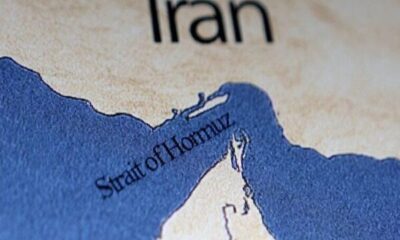
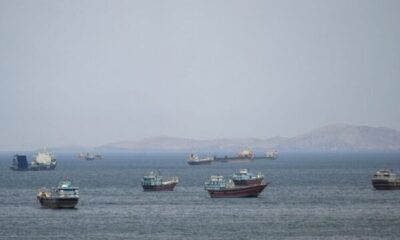
The growing confrontation has once again placed the Strait of Hormuz at the center of global attention. The narrow waterway is considered one of the world’s most critical oil transit routes, handling a significant portion of global crude exports every day.
Trump Rejects Strait of Hormuz Deal Reports
Meanwhile, Donald Trump dismissed media reports suggesting that the US was close to finalizing a compromise agreement with Iran regarding shipping operations through the Strait of Hormuz.
Iranian state media had earlier claimed that a draft proposal included restoring commercial shipping traffic to pre-conflict levels within a month, with Iran and Oman jointly managing maritime movement in the region.
However, Trump rejected the idea and insisted that the waterway remains international territory that cannot be controlled by any single nation.
In a strongly worded statement, Trump also issued a warning to Oman, saying the country would have to follow international expectations regarding the waterway. His remarks immediately sparked global diplomatic attention due to Oman’s longstanding strategic relationship with the United States.
Trump further clarified that the US was not considering sanctions relief for Iran at this stage and said he remained unsatisfied with the current negotiation progress.
Iran Refuses to Back Down on Nuclear and Regional Demands
Senior Iranian lawmaker Ebrahim Azizi responded sharply to Trump’s comments, saying threats from Washington would not force Tehran to retreat from its strategic goals.
Azizi reiterated Iran’s position on uranium enrichment, regional influence, and sanctions removal, adding that the US administration appeared divided between military threats and diplomatic negotiations.
Political observers believe the latest developments could significantly impact ongoing regional peace efforts and create fresh volatility in global financial and energy markets.
With tensions rising around the Strait of Hormuz, international markets are now closely watching whether diplomatic channels can prevent the situation from turning into a broader regional conflict.
Read Also : High Court Sets December 31 Deadline to Remove Forest Encroachments in Himachal Pradesh