World News
US-Iran Talks Intensify as Both Sides Exchange Draft Agreement Proposals Amid Rising Middle East Tensions
The United States and Iran have reportedly entered a crucial phase of indirect negotiations, with both nations actively exchanging draft proposals and messages in an attempt to build the framework for a possible agreement. According to reports from Iran’s ISNA News Agency, diplomatic channels between Washington and Tehran remain active despite growing tensions across the Middle East.


The United States and Iran have reportedly entered a crucial phase of indirect negotiations, with both nations actively exchanging draft proposals and messages in an attempt to build the framework for a possible agreement. According to reports from Iran’s ISNA News Agency, diplomatic channels between Washington and Tehran remain active despite growing tensions across the Middle East.
Sources familiar with the discussions revealed that negotiators are working behind closed doors to narrow differences on key issues, including regional security and nuclear-related concerns. An Iranian official, speaking to Al Jazeera, claimed that both sides are now “very close” to reaching a broader understanding, although no official breakthrough has been announced yet.
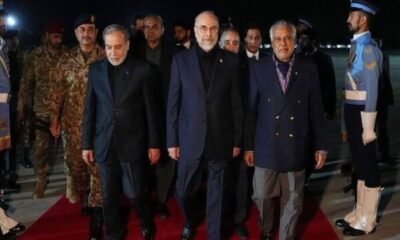
The latest developments come at a time when global attention remains focused on the fragile security situation in the region. Reports suggest that mediation efforts have also intensified, with Pakistan’s Interior Minister Mohsin Naqvi currently visiting Iran to discuss regional stability and the strategic importance of the Strait of Hormuz — one of the world’s most critical oil shipping routes.
However, diplomatic observers believe it is still too early to predict whether these talks will result in a final agreement. While progress appears visible, several sensitive issues reportedly remain unresolved.
Growing Pressure on US Defence Resources
The renewed diplomatic push comes alongside fresh concerns regarding America’s military preparedness in the Middle East. A recent report by The Washington Post claimed that the United States has significantly reduced its advanced missile defence interceptor inventory after heavily supporting Israel during its ongoing conflict with Iran.
According to unnamed US officials quoted in the report, the Pentagon used more than 200 THAAD interceptors along with over 100 Standard Missile-3 and Standard Missile-6 systems to help defend Israel from incoming threats. The large-scale deployment reportedly consumed nearly half of America’s existing interceptor stockpile.
In comparison, Israel is said to have used fewer than 100 Arrow interceptors and approximately 90 David’s Sling systems during the conflict. Some of those interceptors were also used against attacks launched by Iran-backed groups operating in Yemen and Lebanon.
The report has sparked debate among defence experts, with some warning that the rapid depletion of advanced missile systems could impact America’s ability to respond to future global security challenges.
Donald Trump Issues Strong Warning to Iran
Meanwhile, US President Donald Trump delivered a sharp message regarding Iran’s nuclear programme. Speaking to reporters, Trump stated that Iran would not be allowed to retain enriched uranium under any future arrangement.
“We will get the highly enriched uranium. We don’t need it, and we don’t want it. We will probably destroy it after we get it,” Trump said. He also claimed that the Iran conflict could end “very soon,” adding that a resolution would eventually help reduce global fuel prices.
Trump’s remarks are expected to further intensify international discussions surrounding Iran’s nuclear capabilities and the broader geopolitical balance in the Middle East.
Why the US-Iran Talks Matter Globally
The ongoing indirect negotiations between the US and Iran are being closely monitored by global markets, oil traders, and international allies. Any major agreement could significantly impact oil prices, regional security, and diplomatic relations across the Middle East.
With tensions still high and military activity continuing in the region, the coming days could prove decisive for both Washington and Tehran as they attempt to avoid further escalation while exploring the possibility of a diplomatic breakthrough.