World News
Iran Issues Strong Warning Over French, British Warships in Strait of Hormuz Amid Rising Gulf Tensions
Tensions in the Middle East have escalated once again after Iran strongly reacted to the deployment of French and British warships near the strategically important Strait of Hormuz. The warning comes at a time when the Gulf region is already witnessing growing military activity, fragile diplomatic negotiations, and concerns over global oil shipping routes.


Tensions in the Middle East have escalated once again after Iran strongly reacted to the deployment of French and British warships near the strategically important Strait of Hormuz. The warning comes at a time when the Gulf region is already witnessing growing military activity, fragile diplomatic negotiations, and concerns over global oil shipping routes.
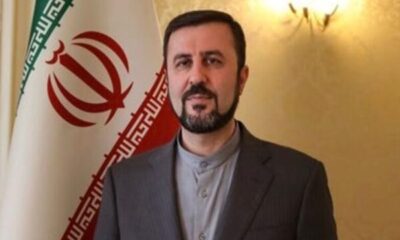
Iran’s Deputy Foreign Minister Kazem Gharibabadi issued a sharp statement on social media platform X, warning that any country supporting what Tehran described as “illegal” US-led naval actions in the Strait of Hormuz would face a “decisive and immediate response.”
According to Gharibabadi, the presence of French and British naval forces alongside American military operations could further destabilize the region and increase the risk of direct confrontation.
The latest development follows confirmation from France’s Ministry of Armed Forces that the nuclear-powered aircraft carrier Charles de Gaulle is heading towards the Gulf region. The deployment is reportedly linked to an international mission aimed at restoring confidence among commercial shipowners and protecting freedom of navigation in one of the world’s busiest maritime trade routes.
French President Emmanuel Macron and British Prime Minister Keir Starmer are said to be backing efforts to secure international shipping lanes as tensions continue to rise across the Middle East.
Strait of Hormuz Remains Global Flashpoint
The Strait of Hormuz remains one of the most sensitive waterways in the world, handling a major share of global oil exports every day. Any military escalation in the region could impact international energy markets and global trade.
Iran has repeatedly opposed the growing presence of Western naval forces in the Gulf, arguing that foreign military involvement increases instability rather than ensuring security.
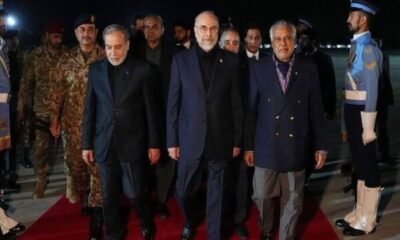
At the same time, diplomatic activity between Tehran and Washington continues behind the scenes. Iranian state media confirmed that Tehran recently sent its official response to the latest US proposal aimed at reducing regional tensions. Reports suggest the communication was delivered through Pakistani mediators.
According to Iran’s state-run IRNA news agency, discussions are currently focused on preventing further escalation and finding a path toward ending ongoing regional conflicts.
Iran Reportedly Preparing Alternative Peace Proposal
Reports indicate that Iran has prepared a “14-point plan” as a counterproposal to a US-backed peace framework. The reported roadmap includes a phased strategy designed to convert a temporary ceasefire into a permanent end to hostilities within 30 days.
Tehran is also believed to be demanding sanctions relief, removal of restrictions on Iranian ports, withdrawal of US troops from parts of the region, and an end to Israeli military operations in Lebanon.
Despite ongoing diplomatic talks, military rhetoric from both sides continues to intensify.
Iran recently warned that its “restraint is over” after reports of attacks on commercial vessels near the Strait of Hormuz and the coast of Qatar. Iran’s Revolutionary Guards have also threatened “heavy attacks” against American interests if Iranian tankers are targeted again.
The situation became even more serious following reports that a US fighter jet disabled two Iranian-flagged vessels in the Gulf of Oman. While official confirmations remain limited, the incident has added to fears that the region could move closer to a broader naval conflict.
Global Concerns Growing Over Gulf Stability
International observers are closely monitoring the developments as the Gulf region balances between diplomacy and the threat of military escalation. Analysts warn that any direct confrontation in the Strait of Hormuz could have major consequences for global oil supplies, shipping operations, and international security.
With Western naval deployments increasing and Iran maintaining an aggressive stance, the coming weeks are expected to play a crucial role in determining whether diplomacy can prevent another major crisis in the Middle East.