Himachal Pradesh News
Middle East Conflict Disrupts Fertiliser Supply in Himachal Pradesh, Himfed Begins Rationing Amid Rising Demand
The ripple effects of the ongoing Middle East conflict are now being felt far beyond the region — and farmers in Himachal Pradesh are among the latest to face the impact.

The ripple effects of the ongoing Middle East conflict are now being felt far beyond the region — and farmers in Himachal Pradesh are among the latest to face the impact.
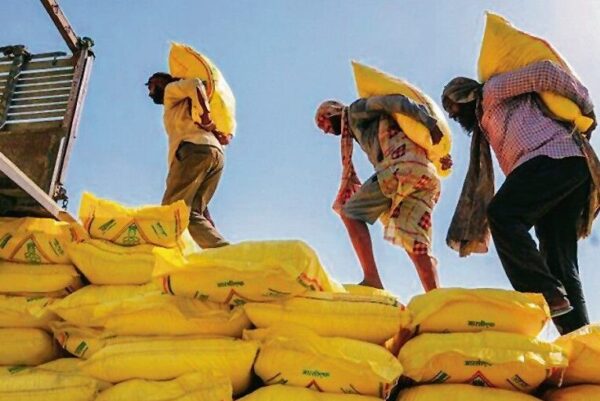
A growing shortage of essential fertilisers like urea and NPK has pushed authorities to take urgent action. The Himachal Pradesh State Cooperative Marketing and Consumers Federation Limited (Himfed) has officially started rationing supplies to ensure that every farmer gets at least a minimum share during this critical agricultural period.
Maheshwar Chauhan, Chairman of Himfed, acknowledged the situation, saying the organisation is trying its best to balance demand and supply. “We are making sure fertilisers reach all farmers, but due to the sudden spike in demand, rationing has become necessary,” he explained.
🌾 Why Demand Is Suddenly So High
The timing couldn’t be more sensitive. Across Himachal Pradesh — especially in apple-growing regions — farmers are preparing for the bloom season. During this phase, crops require a significant amount of nutrients, making fertilisers like urea, NPK, and MOP absolutely essential.
This seasonal surge in demand has collided with a global supply disruption — creating a perfect storm.
🌍 How the Middle East Conflict Is Affecting Supply
Fertiliser production in India depends heavily on imported raw materials. Not just that — many manufacturing plants rely on liquefied natural gas (LNG), much of which comes from or passes through conflict-affected regions.
With supply chains disrupted due to the ongoing tensions, production levels have taken a hit. As a result, the availability of fertilisers has reduced, directly impacting states like Himachal Pradesh.
🏭 Additional Setback: Delayed Supply Allocation
The situation has been further complicated by delays at the national level. According to Chauhan, the central government’s late allocation of fertilisers to National Fertilizers Limited (NFL) also contributed to the shortage.
“We had already raised concerns with the centre regarding delays. Now, with the conflict escalating, the situation has become even more challenging,” he added.
💰 Steps Being Taken to Manage the Crisis
To prevent the situation from spiraling further, Himfed has taken proactive steps. The organisation has secured financial support from the National Cooperative Development Corporation (NCDC) to maintain liquidity and ensure adequate procurement of fertilisers for the upcoming months, particularly May.
This move is expected to provide some relief — but only if global conditions stabilize soon.
⚠️ What Lies Ahead
While temporary measures are in place, uncertainty still looms large. If the Middle East conflict continues for an extended period, the fertiliser shortage could deepen, putting additional pressure on farmers and agricultural output.
For now, rationing remains a necessary step — a sign of how global events can directly influence local livelihoods.