World News
International Energy Agency (IEA) to Release 400 Million Barrels of Oil as Middle East Tensions Push Global Prices Higher
The International Energy Agency (IEA) has agreed to release 400 million barrels of oil from its members’ strategic reserves in an effort to calm global energy markets as oil prices surge amid escalating tensions involving the United States, Israel, and Iran.

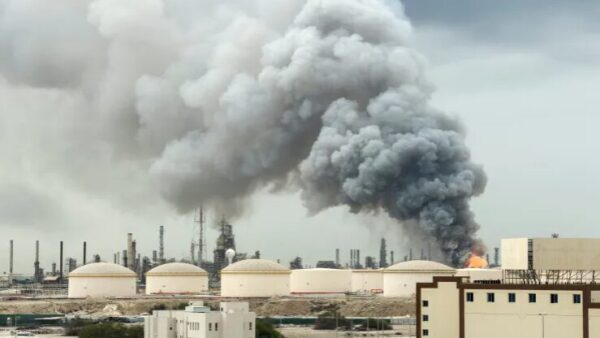
The International Energy Agency (IEA) has agreed to release 400 million barrels of oil from its members’ strategic reserves in an effort to calm global energy markets as oil prices surge amid escalating tensions involving the United States, Israel, and Iran.
The planned release marks one of the largest coordinated oil interventions in history, significantly exceeding the 182 million barrels released in 2022 following Russia’s invasion of Ukraine.
IEA Executive Director Fatih Birol described the situation as unprecedented and confirmed that member countries had decided to take collective action.
“The oil market challenges we are facing are unprecedented in scale,” Birol said. “I am very glad that IEA member countries have responded with an emergency collective action of unprecedented size.”
Energy Supply Disruptions Raise Global Concerns
According to the IEA, energy supply chains in the Middle East are under significant pressure. Limited transport routes and shrinking storage capacity have already forced some regional producers to cut production levels.
Birol also highlighted growing threats to critical infrastructure.
Refineries and energy facilities have reportedly suffered damage or operational disruptions, which could affect the supply of jet fuel and diesel in global markets.
Massive Strategic Oil Reserves Available
IEA member countries collectively maintain more than 1.2 billion barrels of emergency oil reserves. In addition, governments require industries to hold another 600 million barrels of strategic stocks, giving the alliance a powerful tool to stabilize the market during crises.
The newly announced release aims to prevent severe supply shortages and reduce price volatility.
Strait of Hormuz Tensions Add to Market Pressure
Since the conflict escalated on February 28, Iran has effectively threatened shipping through the Strait of Hormuz, one of the world’s most critical oil transit routes.
Nearly 20 percent of global oil and gas supplies pass through this narrow waterway, making any disruption there a major concern for global energy security.
Iran has also targeted energy infrastructure in several Gulf states, a move analysts say is designed to increase economic pressure on the United States and Israel.
Oil Prices Surge Above $100 Again
The geopolitical tensions have already had a dramatic impact on energy markets.
The global benchmark Brent crude oil price has surged more than 25 percent since the conflict began. Earlier this week, Brent was trading at around $119 per barrel, marking the first time prices have crossed the $100 mark since 2022, when Russia’s invasion of Ukraine shocked global energy markets.
Analysts warn that continued instability in the region could keep oil prices volatile in the coming weeks.