World News
Brazil Condemns US 25% Tariff Hike, Calls Move a ‘Lamentable’ Blow to Sovereignty and Global Trade
Brazil has strongly criticised the United States’ decision to impose a 25 per cent tariff on selected Brazilian products, calling the move a “lamentable milestone” in bilateral relations and a serious challenge to Brazil’s economic sovereignty.

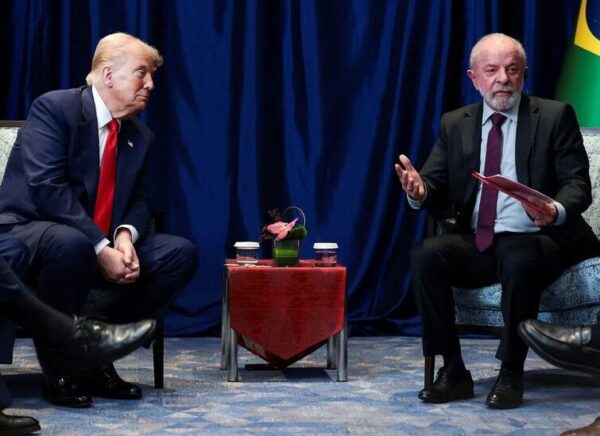
Brazil has strongly criticised the United States’ decision to impose a 25 per cent tariff on selected Brazilian products, calling the move a “lamentable milestone” in bilateral relations and a serious challenge to Brazil’s economic sovereignty.
The government of President Luiz Inácio Lula da Silva has rejected Washington’s justification for the tariffs, arguing that the decision lacks both economic and legal grounds. Brazil has also announced plans to challenge the measure through the World Trade Organisation (WTO) and consider reciprocal action under its recently approved Reciprocity Law.
The tariffs, announced by the United States under Section 301 of the US Trade Act, are linked to Washington’s allegations concerning Brazil’s trade policies, digital regulations, ethanol market access, intellectual property protection, anti-corruption enforcement and environmental practices. The US has said the measures are aimed at addressing what it considers unfair trade practices.
Brazil Rejects US Trade Imbalance Claims
Brasilia has strongly disputed the allegations, pointing to official trade data to argue that the United States has not been disadvantaged in its economic relationship with Brazil.
According to the Brazilian government, the US has recorded a cumulative surplus of USD 424.5 billion in goods and services trade with Brazil over the past 15 years. Brazil also said that 76 per cent of US imports entered the Brazilian market duty-free in 2025, while the effective average tariff imposed on American products was just 3.1 per cent.
The government said these figures contradict the argument that Brazil has maintained an unfair trade regime against US businesses.
Brazil Defends Pix Payment System
Brazil also rejected criticism of its instant payment system, Pix, describing it as a national asset and a globally recognised example of public digital infrastructure.
Brasilia said it had already provided technical evidence to US officials in response to concerns related to digital regulation, environmental policies and ethanol. However, according to the Brazilian government, the discussions failed to resolve the dispute.
Brazil further claimed that most submissions made during the US Trade Representative’s public consultation opposed the proposed tariffs, suggesting that the measure had limited support among businesses in both countries.
WTO Challenge and Reciprocal Action on the Table
The Lula administration said it would begin the process of challenging the US tariff decision through the WTO’s dispute settlement mechanism.
At the same time, Brazil is preparing to examine possible reciprocal measures under its Reciprocity Law, which was approved by the National Congress. The law allows the country to respond to trade restrictions imposed by other nations.
The government also indicated that its Sovereign Brazil Plan would be activated to support domestic companies, workers and production chains affected by the new US tariffs.
The plan is designed to provide support to Brazilian businesses facing the impact of higher trade barriers and international economic instability.
Political Tensions Add to the Trade Dispute
The Brazilian government also criticised members of the Bolsonaro family, alleging that they had supported actions that were against Brazil’s national interests.
The issue has added a political dimension to the already tense trade dispute between Washington and Brasilia. Brazil, however, has maintained that its response will remain within the framework of international law.
The new tariffs are expected to affect a range of Brazilian exports to the United States, although several important products have been exempted from the measure. The tariffs are scheduled to take effect on July 22, 2026.
Brazil Says Sovereignty Will Remain a Priority
Reaffirming its position, the Lula administration said Brazil would defend its economic and strategic interests while continuing to respect international trade rules.
The dispute now threatens to further strain relations between two of the Western Hemisphere’s largest economies. With legal action at the WTO and possible reciprocal measures under Brazilian law, the coming weeks could determine whether the tariff dispute escalates into a broader trade confrontation or leads to renewed negotiations between Brazil and the United States.