World News
Trump Proposes 20% Toll on Strait of Hormuz Transit, Sparks Fresh Fears Over Global Oil Supply
US President Donald Trump has announced plans to impose a 20% transit toll on cargo ships passing through the Strait of Hormuz, saying the United States should be compensated for ensuring the security of one of the world’s most critical maritime trade routes. The proposal has intensified concerns over global energy supplies, shipping costs, and the broader geopolitical situation in West Asia.

US President Donald Trump has announced plans to impose a 20% transit toll on cargo ships passing through the Strait of Hormuz, saying the United States should be compensated for ensuring the security of one of the world’s most critical maritime trade routes. The proposal has intensified concerns over global energy supplies, shipping costs, and the broader geopolitical situation in West Asia.
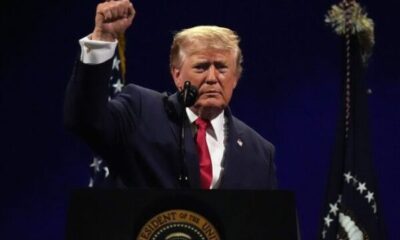
Speaking during an interview with Fox News on Monday, Trump said the United States could take on the role of the “guardian” of the Strait of Hormuz, arguing that Washington deserves financial reimbursement for maintaining security in the region.
“We’re going to keep the Strait, and we’ll probably run it. We’ll become the guardian of the Strait of Hormuz, and we should be reimbursed for that,” Trump said.
Shortly after the interview, Trump reinforced his position through a social media post, stating that the US would seek a 20% reimbursement on all eligible cargo shipments to cover the costs of providing security in the volatile region. He added that the implementation process would begin immediately.
Rising Middle East Tensions Add to Market Uncertainty
Trump’s announcement comes amid renewed military escalation in West Asia, where recent exchanges between regional powers have raised doubts over the future of the peace memorandum signed on June 17. The latest developments have heightened fears of another prolonged regional crisis, with global markets closely monitoring the situation.
Oil Prices Jump Following Trump’s Statement
The announcement had an immediate impact on global energy markets. International crude oil prices climbed sharply, with Brent crude rising nearly 5% to around $80 per barrel, reflecting investor concerns over potential disruptions in one of the world’s busiest oil shipping lanes.
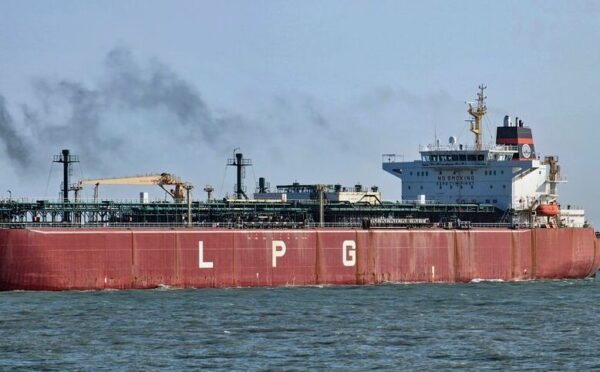
The Strait of Hormuz remains one of the most strategically important waterways globally, carrying a significant share of international crude oil and liquefied natural gas (LNG) shipments.
What It Could Mean for India
India could face substantial economic challenges if the proposed transit toll is implemented. More than half of India’s LNG imports and roughly 35% to 50% of its crude oil imports move through the Strait of Hormuz.
A 20% transit charge, combined with rising maritime insurance premiums due to regional tensions, could increase India’s energy import bill significantly. Higher transportation costs may eventually translate into increased fuel prices and inflation across multiple sectors.
India Has Already Diversified Crude Oil Imports
Following recent geopolitical tensions involving Iran, India has gradually reduced its dependence on West Asian crude. According to Kpler data, the region accounted for around 22% of India’s crude imports in June, compared to nearly 60–70% before the conflict.
To strengthen energy security, India has increased crude purchases from Russia, the United States, Venezuela, and West African countries. However, rising global oil prices continue to place additional pressure on import costs.
Shipping and Supply Chains Could Face New Challenges
Industry experts warn that if vessels begin avoiding the Strait of Hormuz, many shipments may have to take longer routes, including the Cape of Good Hope. Such diversions could increase freight costs by as much as 30% while extending delivery times by 10 to 15 days.
The increased logistics expenses could also affect imports of fertilizers, industrial raw materials, and other essential commodities from Gulf nations, placing further pressure on supply chains.