World News
Taiwan Detects 6 Chinese Military Aircraft, 10 Naval Vessels Near Its Territory Amid Rising Regional Tensions
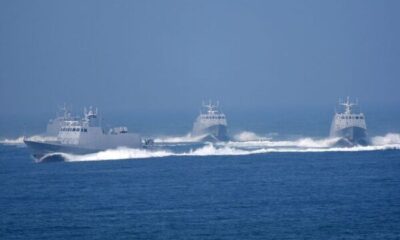
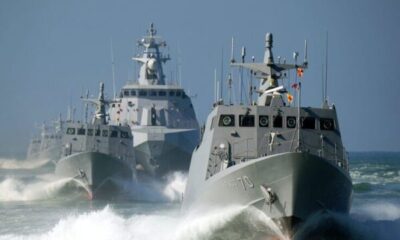
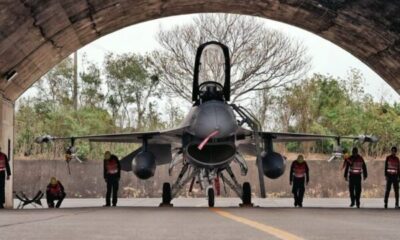
Taiwan’s Ministry of National Defense on Friday said it detected six Chinese military aircraft sorties and 10 naval vessels operating around the island, highlighting the continuing rise in military activity near Taiwan.

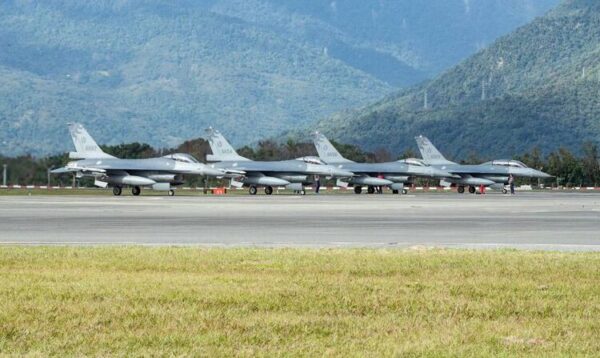
Taiwan’s Ministry of National Defense on Friday said it detected six Chinese military aircraft sorties and 10 naval vessels operating around the island, highlighting the continuing rise in military activity near Taiwan.
According to Taiwan’s defense authorities, all six aircraft crossed the median line of the Taiwan Strait and entered Taiwan’s northern, southwestern, and eastern Air Defense Identification Zone (ADIZ) by 6 a.m. local time.
In an official statement shared on social media platform X, Taiwan’s Ministry of National Defense said the armed forces closely monitored the situation and responded accordingly.
The latest development comes just a day after Taiwan reported another round of Chinese military presence near the island. On Thursday, Taiwan detected seven Chinese military aircraft, seven naval vessels, and one official ship operating around its territory.
Defense officials said six of the seven aircraft detected on Thursday also crossed the median line and entered Taiwan’s northern and southwestern ADIZ zones.
Growing China-Taiwan Tensions Continue to Raise Global Concerns
China has consistently increased military pressure around Taiwan over the past few years, sending aircraft and naval vessels near the island on a regular basis. Beijing considers Taiwan a part of its territory and has repeatedly stated that reunification with the island remains a national priority.
Taiwan, however, continues to operate as a self-governed democracy with its own military, constitution, and economic system. The island rejects China’s sovereignty claims and maintains that only its people can decide Taiwan’s future.
The Taiwan issue remains one of the most sensitive geopolitical flashpoints in Asia and continues to draw global attention, especially from the United States and its allies.
Donald Trump Says US Will Work on ‘Taiwan Problem’
Adding to the diplomatic spotlight, US President Donald Trump recently commented on the Taiwan situation during a media interaction at Joint Base Andrews while traveling to Groton, Connecticut.
Trump said the United States would continue working on the “Taiwan problem” and mentioned having a positive meeting with Chinese President Xi Jinping.
“We have that situation very well in hand. We had a great meeting with President Xi; it was amazing actually. We’ll work on that Taiwan problem,” Trump said.
Why Taiwan Remains a Major Global Flashpoint
The dispute between China and Taiwan has deep historical roots dating back centuries. China argues that Taiwan has been part of its territory since the Qing Dynasty annexed the island in 1683.
However, Taiwan has evolved into a separate political and economic entity over the decades, creating an ongoing international debate over sovereignty, self-determination, and regional stability.
Experts believe that increasing Chinese military activity around Taiwan is intended to demonstrate Beijing’s strategic pressure and military preparedness, while Taiwan continues strengthening its defense partnerships with Western allies.
The situation in the Taiwan Strait remains closely watched by governments and defense analysts worldwide, as any escalation could significantly impact regional and global security.