World News
US-Iran Talks Set for Second Round in Islamabad, Raising Hopes Amid Nuclear Deal Tensions
The United States and Iran are gearing up for a crucial second round of diplomatic talks in Islamabad, expected to take place on Sunday. The development has sparked cautious optimism about a possible revival of negotiations, even as internal disagreements within Tehran continue to cast uncertainty over the outcome.


The United States and Iran are gearing up for a crucial second round of diplomatic talks in Islamabad, expected to take place on Sunday. The development has sparked cautious optimism about a possible revival of negotiations, even as internal disagreements within Tehran continue to cast uncertainty over the outcome.
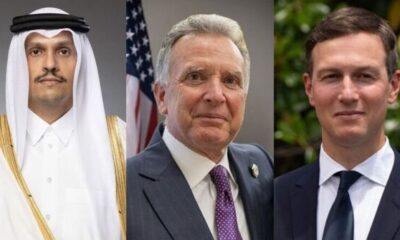
Confirming the talks, White House Press Secretary Karoline Leavitt stated that senior envoys Steve Witkoff and Jared Kushner will travel to Pakistan to engage in face-to-face discussions with Iranian representatives. According to her, the initiative came after Iran responded positively to calls for renewed engagement.
“We’re hopeful this meeting will be productive and help move discussions forward toward a potential agreement,” she said.
Meanwhile, US Vice President JD Vance is not expected to attend the talks at this stage but remains on standby, ready to travel to Islamabad if negotiations show meaningful progress.
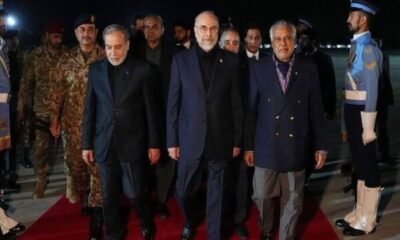
On the Iranian side, Foreign Minister Abbas Araghchi has already arrived in Pakistan as part of a broader diplomatic tour that includes stops in Muscat and Moscow. His visit reflects Iran’s strategic effort to strengthen regional coordination amid rising geopolitical tensions.
Speaking earlier about the tour, Araghchi emphasized that Iran aims to closely engage with its partners on both bilateral issues and wider regional developments, highlighting that neighboring countries remain a priority for Tehran.
Pakistan’s role as a host and facilitator has further fueled speculation that a more structured dialogue between Washington and Tehran may be taking shape. However, sources suggest that the process remains highly controlled and cautious.
Despite signs of movement, challenges persist. Reports indicate internal friction within Iran’s negotiating team. Mohammad Bagher Ghalibaf, who previously led Tehran’s engagement with the US, is believed to have stepped down following disagreements—particularly over the inclusion of nuclear issues in the talks.
Hardline figure Saeed Jalili is being considered as a potential successor, while Araghchi himself is reportedly seeking a more central role in shaping the negotiations. These internal dynamics highlight the competing strategies within Iran’s leadership, making any breakthrough more complex.
Key sticking points remain unchanged, including sanctions relief, nuclear commitments, and broader regional security concerns. While Oman has historically acted as a quiet mediator in US-Iran discussions, Russia continues to be a crucial ally for Tehran, adding another layer of geopolitical significance to the ongoing outreach.
As preparations for the second round of talks move forward, the situation reflects a delicate balance—marked by cautious diplomacy, internal political shifts, and persistent global tensions.
For now, the renewed engagement offers a glimmer of hope, but the road to a concrete agreement remains uncertain and heavily dependent on both internal consensus and international dynamics.
Read Also : BJP Plans Statewide Campaign Against Congress Ahead of Himachal Pradesh Urban Polls 2026