World News
Hormuz Crisis Escalates: US Warns Ships of ‘Capture’ Risk Amid Massive Military Build-Up
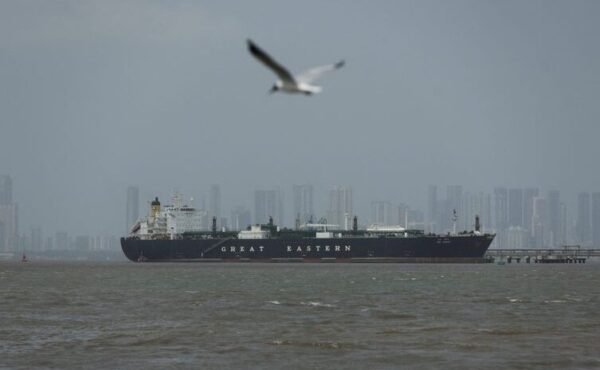
Tensions in the Middle East have surged dramatically after the United States issued a stern warning to vessels navigating near the Strait of Hormuz, one of the world’s most critical oil routes. Ships entering or exiting a newly enforced maritime blockade without prior authorization now face the risk of interception, diversion, or even capture, according to US officials.

Tensions in the Middle East have surged dramatically after the United States issued a stern warning to vessels navigating near the Strait of Hormuz, one of the world’s most critical oil routes. Ships entering or exiting a newly enforced maritime blockade without prior authorization now face the risk of interception, diversion, or even capture, according to US officials.
The move has raised fresh concerns about global trade disruption and the possibility of a wider geopolitical conflict.
US Enforces Strategic Blockade in Key Waters
The US Central Command confirmed that it has implemented a maritime blockade covering parts of the Gulf of Oman and the Arabian Sea, east of the Strait of Hormuz, effective Monday evening.
In an official advisory to mariners, authorities made it clear:
Any vessel attempting to cross the restricted zone without approval will be subject to strict enforcement measures.
Importantly, the US clarified that neutral ships transiting to non-Iranian destinations will not be affected, attempting to ease fears of a complete shutdown of global shipping lanes.
Iran Fires Back With Strong Warning
Iran has reacted sharply to the US move, labeling it as “piracy” and escalating rhetoric with a military warning of its own. Iranian officials referenced their fast-attack missile boats, dramatically dubbed the “Red Bees of the Persian Gulf,” suggesting they are prepared for rapid response.
In a statement that underlines rising tensions, Iran warned that the US may soon experience how quickly a coordinated maritime swarm can strike.
Global Concerns Rise as China and UK React
The situation has drawn international attention, with China expressing concern over interference in its energy routes. Chinese Defence Minister Admiral Dong Jun emphasized the importance of uninterrupted access through the Strait of Hormuz, signaling potential geopolitical friction.
Meanwhile, the United Kingdom Maritime Trade Operations (UKMTO) issued a detailed advisory highlighting increased risks for vessels operating in the region. Ships have been urged to:
- Maintain heightened alertness
- Ensure maximum operational readiness
- Stay connected via maritime emergency channels
Limited Exit Window for Ships in Iranian Ports
According to maritime advisories, vessels currently docked at Iranian ports have been given a limited grace period to exit safely. However, the exact timelines may vary, adding urgency for shipping operators in the region.
The restrictions reportedly extend across Iran’s entire coastline, including key oil terminals and energy infrastructure hubs.
Massive US Military Presence Raises Stakes
In a significant show of force, the United States has deployed one of its largest military concentrations in the region in recent history.
Three major aircraft carrier strike groups are now positioned strategically:
- USS Abraham Lincoln in the Arabian Sea
- USS Gerald R. Ford in the eastern Mediterranean
- USS George H.W. Bush in the Mediterranean
Additionally, amphibious groups like the USS Boxer and USS Tripoli, along with advanced Air Force aircraft, have been deployed across bases in the Middle East.
Defense analysts believe this marks the largest US naval and air build-up in the region since the 2003 Iraq War, signaling the seriousness of the situation.
Why This Crisis Matters Globally
The Strait of Hormuz handles nearly 20% of the world’s oil supply, making any disruption a major concern for global markets. Even the threat of conflict can trigger spikes in oil prices and shake international trade.
As tensions continue to escalate, the world watches closely — aware that any miscalculation in these waters could have far-reaching consequences.
Read Also : LPG Supply Normal in Shimla, Government Urges Residents to Avoid Panic Booking