World News
Iran and US Agree to Pause Hostilities, Resume Strait of Hormuz Talks in Qatar Amid Rising Gulf Tensions
In a significant diplomatic breakthrough after days of escalating military tensions, Iran and the United States have reportedly agreed to suspend hostilities and resume negotiations over the strategically important Strait of Hormuz.

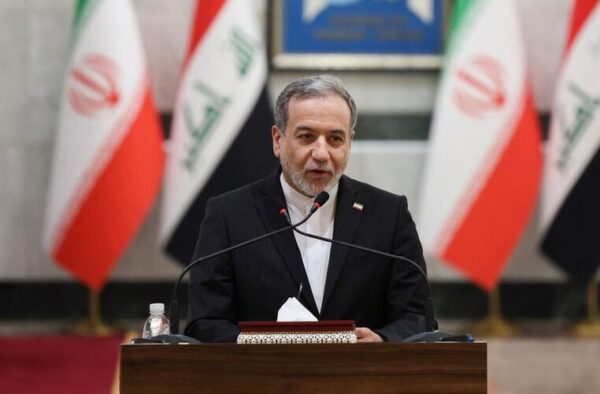
In a significant diplomatic breakthrough after days of escalating military tensions, Iran and the United States have reportedly agreed to suspend hostilities and resume negotiations over the strategically important Strait of Hormuz.
According to a US official, both sides have decided to temporarily stand down while technical discussions continue under a previously negotiated 14-point memorandum of understanding (MOU). The agreement is expected to allow commercial vessels to move freely through one of the world’s most vital energy shipping routes.
Reports indicate that fresh rounds of talks are scheduled to begin in Qatar on Tuesday, offering renewed hopes for de-escalation in the Gulf region.
Strait of Hormuz Talks Revived After Days of Military Escalation
The latest diplomatic effort follows several days of military exchanges between Tehran and Washington. Tensions intensified after an Iranian projectile reportedly struck a cargo vessel in the Strait of Hormuz last week, triggering accusations from both sides of violating an interim ceasefire agreement reached on June 17.
The Strait of Hormuz remains a crucial maritime corridor through which a significant share of the world’s oil and gas supplies passes. Any disruption in the waterway has immediate implications for global energy markets and international trade.
Officials familiar with the discussions stated that both nations remain committed to continuing technical negotiations despite recent confrontations.
Missile Attacks Raise Concerns Over Regional Stability
Earlier on Sunday, Iran reportedly launched missile and drone strikes targeting US military facilities in Kuwait and Bahrain, shortly after former US President Donald Trump warned that Tehran must comply with the ceasefire framework.
Iran’s Islamic Revolutionary Guard Corps (IRGC) claimed responsibility for the operations, arguing that recent US military actions had violated the ceasefire understanding and threatened ongoing diplomatic efforts.
US officials later confirmed that American facilities in the region had been targeted, although initial assessments indicated no casualties and limited damage.
Meanwhile, Bahrain reported that an Iranian attack caused damage to a residential building in Muharraq Province, but authorities confirmed that no civilian deaths had been recorded.
Kuwaiti officials also stated that air defense systems intercepted ballistic missiles without causing casualties or significant destruction.
Lebanon Tensions Add Another Layer to the Crisis
The regional situation has become increasingly complex as Israel announced fresh military strikes against Iran-backed Hezbollah positions in southern Lebanon.
Israeli officials said underground infrastructure used by Hezbollah militants had been destroyed during the operation. The strikes come only days after a ceasefire agreement between Israel and Lebanon was announced.
Iran has maintained that stability in Lebanon is closely linked to broader regional peace efforts and has emphasized that sustained diplomacy remains essential for preserving the wider agreement.
Global Markets Watching Closely
The temporary pause in hostilities has eased immediate fears of a prolonged conflict in the Gulf, particularly because the Strait of Hormuz is considered one of the most important maritime passages for global energy transportation.
Analysts suggest that renewed negotiations in Qatar could play a crucial role in preventing further escalation and restoring confidence in international shipping routes.
While challenges remain, the decision by Iran and the United States to return to the negotiating table represents a rare opportunity for diplomacy after days of heightened uncertainty across the Middle East.