World News
Donald Trump Rejects Iran’s Ceasefire Proposal, Says Truce Is ‘On Life Support’ Amid Rising Middle East Tensions
Tensions in the Middle East escalated once again after US President Donald Trump sharply rejected Iran’s latest response to a US-backed ceasefire proposal, warning that the fragile truce is now “on life support.”

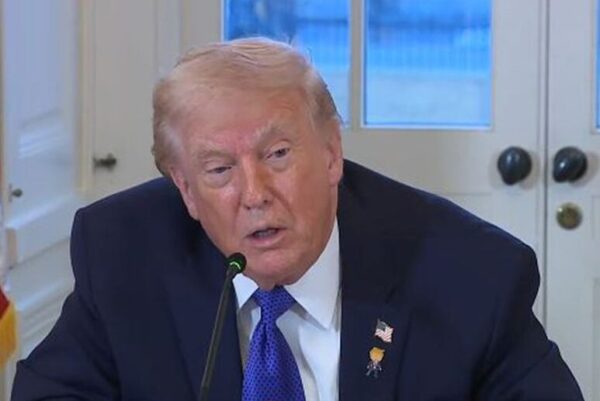
Tensions in the Middle East escalated once again after US President Donald Trump sharply rejected Iran’s latest response to a US-backed ceasefire proposal, warning that the fragile truce is now “on life support.”
The statement came amid growing fears that the 10-week-long conflict between Iran and Israel-backed forces could intensify again, threatening global oil supplies and regional stability.
Speaking to reporters on Monday, Trump criticised Tehran’s response in unusually harsh terms. “I would call it the weakest right now, after reading that piece of garbage they sent us. I didn’t even finish reading it,” Trump said while discussing the status of the ceasefire negotiations.
The US had earlier proposed a temporary halt in hostilities as a first step toward restarting broader diplomatic talks, especially around Iran’s controversial nuclear programme. However, Iran’s latest response reportedly focused on wider regional demands instead of accepting the immediate ceasefire framework.
Iran Demands End to Blockade and Sanctions
According to Iranian officials, Tehran’s proposal included several major conditions before agreeing to move forward. Iran demanded an end to what it described as a US naval blockade, the lifting of economic sanctions, and the release of frozen Iranian financial assets.
Iran also stressed its control over the strategically important Strait of Hormuz — one of the world’s most critical oil shipping routes — while calling for guarantees against future attacks.
Iranian Foreign Ministry spokesperson Esmaeil Baghaei defended the country’s position, saying the demands were both “legitimate” and necessary for long-term peace in the region.
“Our demand is legitimate: demanding an end to the war, lifting the blockade, and releasing Iranian assets frozen under US pressure,” Baghaei said.
He further added that ensuring safe passage through the Strait of Hormuz and improving security across the Middle East, including Lebanon, were part of Iran’s “responsible offer.”
Oil Prices Surge as Hormuz Concerns Grow
The diplomatic deadlock has already started affecting global markets. Brent crude oil prices climbed nearly 2.7 percent to around $104 per barrel after reports suggested that uncertainty around the Strait of Hormuz could continue disrupting energy shipments.
The Strait of Hormuz is considered one of the world’s most important trade routes for oil exports, and any disruption there often impacts fuel prices globally.
Market analysts believe that if tensions continue to rise between Washington and Tehran, energy prices could see further volatility in the coming weeks.
Middle East Conflict Remains Unstable
The ongoing conflict has already caused heavy casualties and deep instability across the region. Fighting involving Iran-backed groups, including Hezbollah in Lebanon, has complicated peace efforts and increased pressure on international negotiators.
While diplomatic channels remain open, Trump’s latest remarks indicate that trust between both sides is rapidly deteriorating.
With ceasefire negotiations now hanging in the balance, the coming days could prove critical for the future of peace talks and stability in the Middle East.