World News
Donald Trump Makes Historic Appearance at US Supreme Court Amid Birthright Citizenship Battle
In an unprecedented move, Donald Trump personally attended a hearing at the Supreme Court of the United States on Wednesday, marking a historic first for a sitting US president. The hearing focused on the legality of his controversial birthright citizenship policy—an issue central to his immigration agenda.

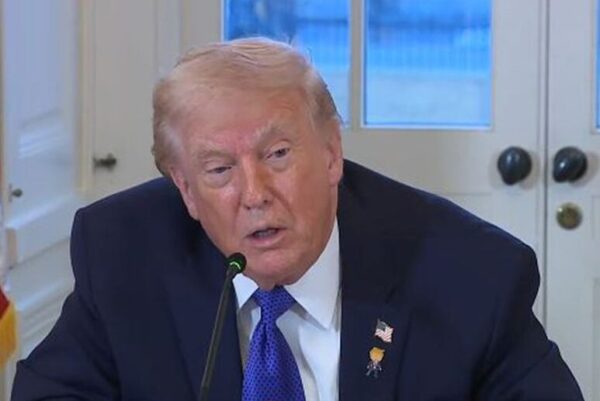
In an unprecedented move, Donald Trump personally attended a hearing at the Supreme Court of the United States on Wednesday, marking a historic first for a sitting US president. The hearing focused on the legality of his controversial birthright citizenship policy—an issue central to his immigration agenda.
Dressed in a dark suit with his signature red tie, Trump arrived at the court via motorcade from the White House and took a front-row seat in the public gallery. However, in a surprising turn, he exited midway through the proceedings shortly after the government’s legal arguments were presented.
The case revolves around an executive order signed by Trump on his first day back in office, aiming to restrict automatic citizenship for children born in the United States to non-citizen parents. The policy has sparked intense legal and political debate, with critics arguing it challenges the long-standing interpretation of the 14th Amendment.
During the hearing, justices across ideological lines appeared skeptical of the administration’s stance. Despite the court’s 6-3 conservative majority, both conservative and liberal judges raised probing questions about the constitutional validity and real-world implications of the directive.
Representing the administration, US Solicitor General D. John Sauer argued that the United States is out of step with much of the world on birthright citizenship. He emphasized that only a limited number of countries offer automatic citizenship by birth, warning that such policies could incentivize illegal immigration.
“It diminishes the value of American citizenship,” Sauer told the court, adding that the current system acts as a “pull factor” encouraging unlawful entry into the country.
According to the Pew Research Center, the United States is among just 33 nations that grant unconditional birthright citizenship.
The outcome of this case could have far-reaching consequences—not just for immigration policy, but also for constitutional interpretation in the United States. As legal experts and political observers closely watch the proceedings, the court’s eventual ruling is expected to shape the future of citizenship rights for years to come.