World News
Israel-Iran Conflict: Netanyahu Claims Iran’s Missile & Nuclear Capabilities ‘Severely Crippled’ After Joint Strikes
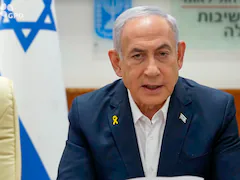
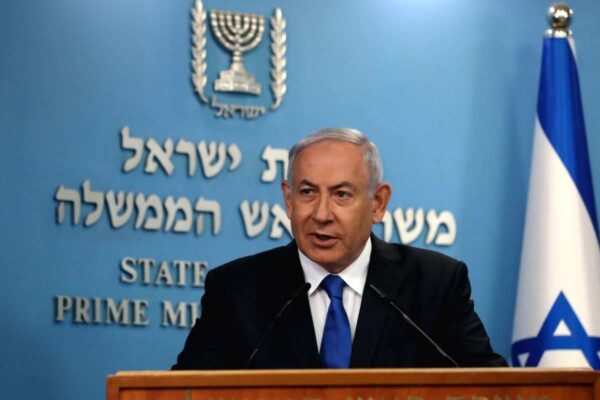
In a strong and highly debated statement, Benjamin Netanyahu has claimed that Iran’s ability to enrich uranium and produce ballistic missiles has been “severely crippled” following nearly three weeks of coordinated military strikes by Israel and the United States.

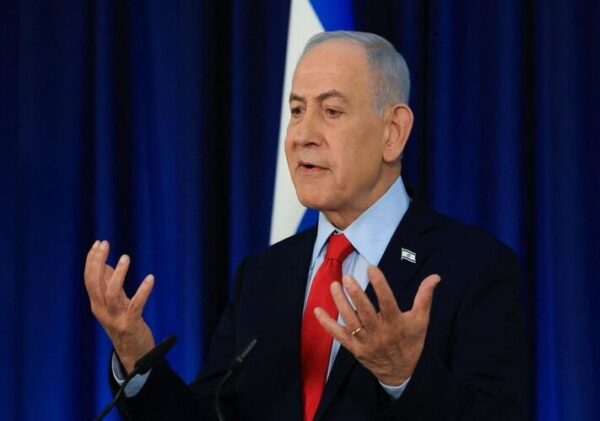
In a strong and highly debated statement, Benjamin Netanyahu has claimed that Iran’s ability to enrich uranium and produce ballistic missiles has been “severely crippled” following nearly three weeks of coordinated military strikes by Israel and the United States.
Speaking to reporters, Netanyahu said the joint operation has moved beyond targeting weapons stockpiles and is now focused on dismantling Iran’s core military manufacturing capabilities.
“We are not just destroying missiles anymore—we are destroying the system that builds them,” he said, emphasizing that the latest phase of the operation is aimed at eliminating Iran’s industrial backbone for weapons production.
⚔️ What Israel Claims Has Been Destroyed
According to Netanyahu, the operation has significantly weakened Iran’s defense infrastructure:
- Missile stockpiles have been heavily hit
- Hundreds of launchers destroyed
- Drone and missile systems degraded
- Key nuclear-related infrastructure targeted
- Factories producing missile components now under attack
He described the campaign as a major step toward long-term security, claiming that Iran’s ability to rebuild its arsenal is being “wiped out.”
However, these claims have not been independently verified, with reports from CNN noting the lack of concrete evidence so far.
🌍 “We Are Protecting the World,” Says Netanyahu
Netanyahu framed the ongoing military action as a global security effort rather than a regional conflict.
“Israel and the United States are protecting the entire world,” he said, arguing that weakening Iran’s military power reduces broader international threats.
The strikes are part of a wider escalation involving Israel, United States, and Iran—raising concerns about long-term stability in the region.
🏛️ What About Regime Change in Iran?
When asked about the political future of Iran, Netanyahu struck a cautious tone.
He stated that while conditions for change are being created, any real transformation must come from within Iran itself.
“You can’t force change from the air. It has to come from the ground—and from the people,” he said.
His remarks suggest that while military pressure is increasing, a clear political roadmap for Iran remains uncertain.
⛽ Oil Prices & Strait of Hormuz Concerns
The conflict has also raised alarms about global energy supply, especially around the critical Strait of Hormuz.
Netanyahu expressed confidence that efforts led by the United States to secure the route will stabilize oil prices.
He also proposed an alternative long-term solution:
- Building oil and gas pipelines through the Arabian Peninsula
- Connecting them directly to Israeli Mediterranean ports
- Reducing dependence on vulnerable maritime routes
🤝 Strong Ties with Donald Trump
Netanyahu highlighted close coordination with former US President Donald Trump, especially regarding Iran’s nuclear ambitions.
“We share the same goal—to prevent Iran from becoming a nuclear threat,” he said.
⚡ What Happens Next?
Despite the intensity of the conflict, Netanyahu remains optimistic.
“This war may end faster than people expect,” he said.
However, with rising tensions, global uncertainty, and unanswered questions about Iran’s actual capabilities, the situation remains highly volatile.