World News
Trump Hails Senate Vote Reversal on Iran War Powers Resolution, Says ‘This Vote Puts Iran on Notice’
In a dramatic turn of events on Capitol Hill, US President Donald Trump welcomed the Senate’s decision to block an effort aimed at limiting his authority to take military action against Iran. The vote, which shifted in favor of the administration after two Republican senators changed their positions, has reignited debate over presidential war powers and America’s approach toward Tehran.

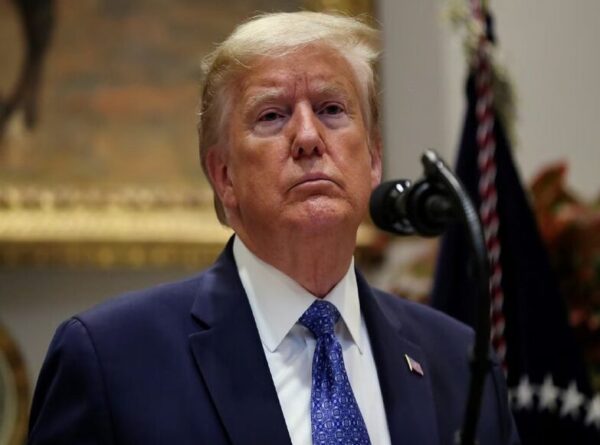
In a dramatic turn of events on Capitol Hill, US President Donald Trump welcomed the Senate’s decision to block an effort aimed at limiting his authority to take military action against Iran. The vote, which shifted in favor of the administration after two Republican senators changed their positions, has reignited debate over presidential war powers and America’s approach toward Tehran.
Taking to Truth Social shortly after the vote, Trump celebrated the outcome and thanked several Republican leaders who helped secure the result.
“Wow! The Senate just changed its vote on Iran from 50-48 against, to 50-47 for. Rand Paul and Bill Cassidy changed. Thank you to Leader John Thune, Lindsey Graham, Bernie Moreno, and all. This vote puts Iran on notice!” Trump wrote.
Key Republican Senators Reverse Their Positions
The Senate vote marked a significant reversal from earlier efforts to advance a war powers resolution designed to restrict the president’s ability to engage militarily with Iran without congressional approval.
According to reports, Republican Senators Rand Paul and Bill Cassidy altered their positions ahead of the vote. Paul chose to vote “present,” while Cassidy voted against advancing the measure, helping shift the final outcome in favor of the administration.
The final vote stood at 47-50-1, effectively blocking the resolution from moving forward.
Rand Paul Explains His Decision
Following the vote, Senator Rand Paul clarified that his stance on executive war powers had not fundamentally changed. However, he said current diplomatic considerations influenced his decision.
In a statement posted on social media, Paul explained that ongoing hostilities appeared to have eased and that the president had requested additional room to pursue negotiations.
He stated that voting “present” would provide the administration with greater flexibility and leverage to negotiate what he described as a lasting peace agreement.
Bill Cassidy Cites Additional White House Briefings
Senator Bill Cassidy had previously expressed concerns about the administration’s handling of the Iran situation, arguing that lawmakers and the American public deserved more transparency regarding the conflict.
Earlier this week, Cassidy reportedly questioned senior officials about the duration of military operations and whether original objectives had been achieved.
However, after receiving additional briefings from Vice President JD Vance and Special Envoy Steve Witkoff, Cassidy indicated that several of his concerns had been addressed.
He later thanked administration officials for providing detailed information and engaging directly with lawmakers on the issue.
Divisions Remain in the Senate
Despite the resolution’s defeat, divisions within the Senate remained visible.
Republican Senators Susan Collins and Lisa Murkowski voted in favor of the measure, maintaining their support for greater congressional oversight of potential military action involving Iran.
Meanwhile, Democratic Senator John Fetterman once again opposed the resolution, highlighting the unusual bipartisan divisions surrounding the debate.
Congress vs. Presidential War Powers
The latest vote represents another chapter in the long-running struggle between Congress and the White House over military authority.
Supporters of the resolution argued that any future military action against Iran should require congressional involvement, emphasizing the constitutional role of lawmakers in decisions that could lead to armed conflict.
Democratic Senator Tim Kaine, one of the leading advocates of the measure, recently argued that Congress should have a formal voice before the United States becomes involved in any renewed military confrontation.
The debate comes at a time of continued uncertainty in US-Iran relations, with policymakers balancing national security concerns, diplomatic negotiations, and constitutional questions over executive power.