Himachal Pradesh News
Himachal Puts Section 118 Amendments on Hold, Sends Bill to Select Committee for Detailed Review
The Himachal Pradesh Assembly has deferred amendments to Section 118 of the Tenancy and Land Reforms Act, sending the proposal to a Select Committee for deeper scrutiny. The reforms aim to modernise land laws, ease investment hurdles and empower rural cooperatives.

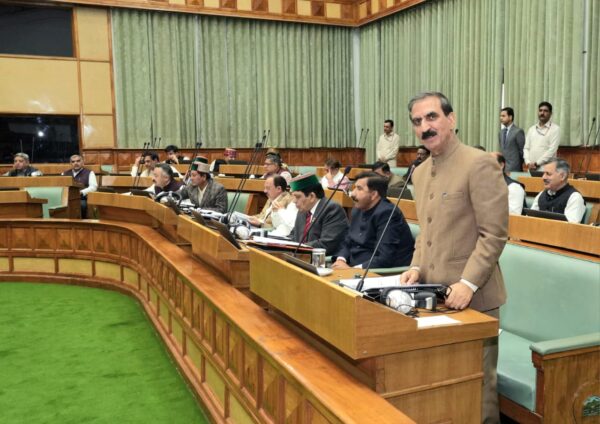
The Himachal Pradesh Vidhan Sabha has deferred the proposed amendment to Section 118 of the Himachal Pradesh Tenancy and Land Reforms Act, 1972, opting for a detailed review by a Select Committee. The decision came on the final day of the winter session in Dharamsala, where Speaker Kuldeep Singh Pathania accepted a request from BJP MLA Randhir Sharma—supported by Chief Minister Sukhvinder Singh Sukhu—to refer the Bill for deeper scrutiny.
The Select Committee will include members from both the ruling Congress and the opposition BJP. Pathania said the committee would examine the Bill thoroughly and present its findings during the upcoming Budget session. Revenue Minister Jagat Singh Negi, who introduced the amendment Bill on December 2, will set up the committee and issue the formal notification.
The amendments seek to update Section 118, originally enacted to regulate the transfer of land to non-agriculturists. While the provision has long safeguarded local land interests, the government argues that Himachal Pradesh’s economic landscape has changed significantly, calling for a more adaptable framework to attract private investment and support emerging business models.
Chief Minister Sukhu highlighted that several genuine investors have faced delays that hinder project completion. To address this, the Bill proposes allowing time extensions for projects, subject to payment of a prescribed penalty. The government believes the reform will reduce project failures and restore investor confidence.
Another key proposal aims to exempt building leases of up to 10 years from Section 118 restrictions, a move expected to boost economic activity, particularly in rural areas. The Bill also seeks to make property transactions more accessible by permitting non-agriculturists to directly purchase completed buildings or flats from private developers.
A notable reform concerns co-operative societies operating in village areas. Although these bodies are rooted in farming communities, their legal status currently bars them from acquiring land as agriculturists. The proposed change would allow cooperatives to acquire land without needing special permission under Section 118—an amendment the government says will strengthen rural enterprises, generate employment and expand economic opportunities for farmers.
With broad consensus on the need for further evaluation, the Select Committee’s review will now guide the future trajectory of land reforms in Himachal Pradesh.