World News
British man develops flesh-eating disease after deadly spider bite
Necrotising fasciitis is a rare and life-threatening infection that can occur when a wound becomes infected and needs to be treated immediately in hospital.

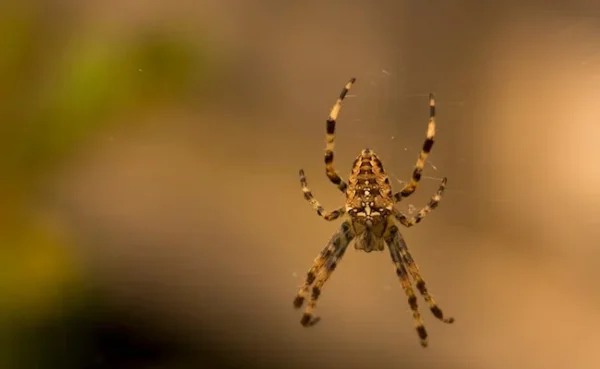
Nigel Hunt, a 59-year-old British man from the Isles of Scilly, survived a minor spider bite that later proved fatal. While lying in bed at home on August 30, Mr Hunt was bitten on the stomach by a potentially deadly spider. Initially, he felt no pain and thought nothing of it. However, four days later, while on holiday in Sharm el-Sheikh, Egypt, he became seriously ill, the BBC reported. He was rushed to hospital, where doctors operated on his stomach after suspecting an abscess.
However, further diagnosis revealed something much more serious—necrotizing fasciitis, a rare and life-threatening condition known as the “flesh-eating disease.” He then underwent emergency surgery, which saved his life.
Talking about the incident, he said, “After arriving at the airport and going through check-in, we left for departure. At this point, everything seemed to get worse very quickly, from getting sick in the departure lounge to having my head in a sick bag for most of the journey. Upon arriving in Sharm El Sheikh, we collected our luggage and headed to the pharmacy to get some antibiotics or something to relieve the illness. They prescribed some things and the next day we went to the hospital to get the same medicine.”
“The next two days it started getting worse, so we went to a different hospital in Hadaba, where I immediately had a blood test and an ultrasound scan. We then waited for a few hours for the doctor to check the results. He called us and said it was good that we came, because the bite was caused by a false widow or brown spider,” he added.
According to the NHS website, necrotising fasciitis is a rare and life-threatening infection that can occur when a wound becomes infected and must be treated immediately in hospital.
Mr Hunt credits his second hospital visit with saving his life. “If I hadn’t gone to hospital for a second check within that crucial 6-10 day period, I wouldn’t be alive today,” he recalls.
Although he is on the road to recovery, Mr Hunt still faces a long journey ahead. His wound remains open, requiring regular dressing changes every few days.
He has also issued a stark warning to his fellow residents of the Isles of Scilly. “I think it’s important to alert everyone to be vigilant and check for spiders,” he stressed.