World News
Qatari Delegation Arrives in Tehran Amid Growing Expectations Over Iran-US Peace Deal Talks
A high-level delegation from Qatar arrived in Tehran on Sunday, signaling renewed diplomatic momentum in the ongoing negotiations between Iran and the United States. The visit comes at a time when expectations are rising over a potential agreement that could ease tensions in the region and reshape the future of US-Iran relations.

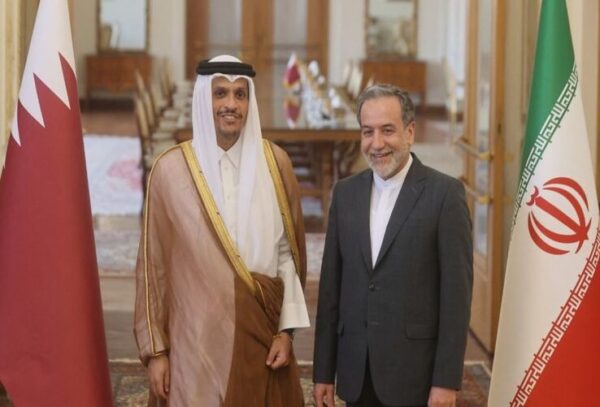
A high-level delegation from Qatar arrived in Tehran on Sunday, signaling renewed diplomatic momentum in the ongoing negotiations between Iran and the United States. The visit comes at a time when expectations are rising over a potential agreement that could ease tensions in the region and reshape the future of US-Iran relations.
According to Iranian media reports, the Qatari delegation is holding consultations with senior Iranian officials to review the latest developments in the diplomatic process. The discussions are believed to be focused on facilitating communication between Tehran and Washington as both sides continue efforts to reach a broader understanding on regional security and conflict resolution.
Iranian news agency Tasnim reported that the delegation is in Tehran to assess recent progress in the negotiations. Meanwhile, ISNA stated that the delegation is being led by an adviser to Qatar’s Prime Minister and Foreign Minister, Sheikh Mohammed bin Abdulrahman bin Jassim Al Thani.
Qatar Continues Its Role as Key Mediator
Qatar has increasingly emerged as a critical diplomatic bridge between Iran and the United States. The latest visit is reportedly aimed at maintaining the exchange of messages between both countries regarding a proposed memorandum of understanding that could help bring an end to ongoing hostilities and reduce tensions across the region.
Diplomatic observers view Qatar’s involvement as an indication that negotiations remain active despite political challenges and differing public statements from officials on both sides.
Protests Erupt in Iran Over Possible Agreement
As diplomatic efforts continue behind closed doors, the prospect of a deal has sparked public backlash in parts of Iran.
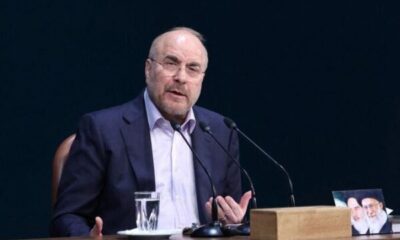
Dozens of demonstrators gathered outside a Foreign Ministry office in Mashhad, one of Iran’s largest cities, voicing opposition to the government’s negotiating approach. Protesters directed criticism at Foreign Minister Abbas Araghchi and Parliament Speaker Mohammad Bagher Ghalibaf, demanding accountability over the reported terms of a potential agreement.
The demonstrations followed a televised interview in which Araghchi discussed provisions allegedly included in the proposed framework. According to reports, the arrangement could involve the removal of restrictions affecting Iranian ports and maritime activities.
The protests highlight growing domestic divisions over how Iran should engage with the United States and what concessions may be acceptable in any future agreement.
Trump Suggests Deal Could Be Finalized Soon
Former US President Donald Trump fueled speculation about an imminent breakthrough by claiming that a framework agreement could be finalized as early as Sunday.
In a post on Truth Social, Trump expressed confidence that the negotiations were moving toward a successful conclusion. He described the proposed arrangement as significantly different from the 2015 Joint Comprehensive Plan of Action (JCPOA), arguing that the new framework would prevent Iran from developing nuclear weapons.
Trump also stated that the Strait of Hormuz could be reopened to international shipping immediately after the agreement is signed, a development that would have major implications for global energy markets and international trade.
Tehran Remains Cautious About Timeline
Despite growing international attention, Iranian officials have adopted a more cautious tone regarding the timing of any potential announcement.
Foreign Ministry spokesperson Esmaeil Baghaei downplayed expectations of an immediate agreement, saying that a final deal was unlikely to be completed within the next 24 hours. However, he acknowledged that progress was being made and suggested that an agreement could still emerge in the coming days.
The contrasting messages from Washington and Tehran underscore the complexity of the negotiations and the challenges that remain before a final accord can be reached.