World News
US cuts Bangladesh tariff to 19% in new trade deal; select garments to get zero duty
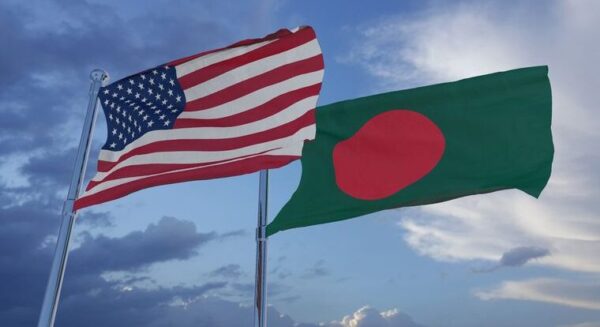
Bangladesh secures a reduced 19% US tariff under a new trade agreement, with zero duty for garments made using US cotton and fibres, offering major relief to its export-driven apparel sector.

Bangladesh secures a reduced 19% US tariff under a new trade agreement, with zero duty for garments made using US cotton and fibres, offering major relief to its export-driven apparel sector.
Dhaka/Washington: Bangladesh has secured a reduced 19 per cent tariff under a new trade agreement with the United States, with select textile and apparel products made using US-origin cotton and man-made fibres set to receive zero reciprocal duty, interim government chief Muhammad Yunus announced on Monday.
In a post on X, Yunus said Washington had “committed to establishing a mechanism for certain textile and apparel goods from Bangladesh using US-produced cotton and man-made fibre to receive zero reciprocal tariff in the US market”.
He said the agreement was finalised after nine months of negotiations that began in April last year.
No immediate US response
There was no immediate comment from the US Treasury Department or any office of the Trump administration on the announcement.
Commerce Secretary Mahbubur Rahman said Bangladesh’s key export-earner — the ready-made garments (RMG) sector — would benefit significantly, particularly products made from cotton and synthetic fibres imported from the US.
The agreement was signed in Washington by Commerce Adviser Sheikh Bashir Uddin and US Trade Representative Jamieson Greer, officials confirmed.
Wider trade commitments
Commerce ministry officials said the deal also includes provisions for:
- Importing US wheat, soybean and LNG
- Refraining from imposing tariffs on e-commerce
- Compliance with US-mandated intellectual property rights standards
- Supporting US proposals for World Trade Organisation (WTO) reforms
Bangladesh recently agreed to purchase 25 aircraft from Boeing, valued at an estimated Tk 30,000–35,000 crore, as part of broader efforts to ease US trade restrictions.
Relief for apparel exporters
According to the Export Promotion Bureau (EPB), the US remains Bangladesh’s largest export market. The country had earlier secured a tariff reduction to 20 per cent in August last year from an initially proposed 37 per cent by Washington.
Bangladeshi policymakers had hoped the tariff could be brought down further to 15 per cent.
Business analysts said the new agreement offers much-needed relief to Bangladesh’s apparel industry, which:
- Accounts for over 80 per cent of export earnings
- Employs around 4 million workers, mostly women
- Contributes nearly 10 per cent to GDP
Regional trade context
Earlier this month, the US reduced tariffs on India to 18 per cent from 50 per cent, reportedly seeking New Delhi to curb Russian oil imports and lower trade barriers.
Rahman said the US-India trade deal may have influenced Washington’s decision on Bangladesh, “possibly due to geopolitical considerations”.
Among regional competitors, Vietnam received a 20 per cent tariff, while Pakistan, Cambodia and Indonesia were also placed under a 19 per cent tariff regime.
Political backdrop
The development comes ahead of Bangladesh’s February 12 general election, which is expected to end the 18-month Yunus-led interim administration that took charge after the fall of Sheikh Hasina’s Awami League government following the violent student-led protests known as the July Uprising.