News
‘Bona Virus’ Found in Paddy Fields of Kangra’s Rait Block

Shimla, Updated At : 11:31 AM Aug 24, 2025 IST
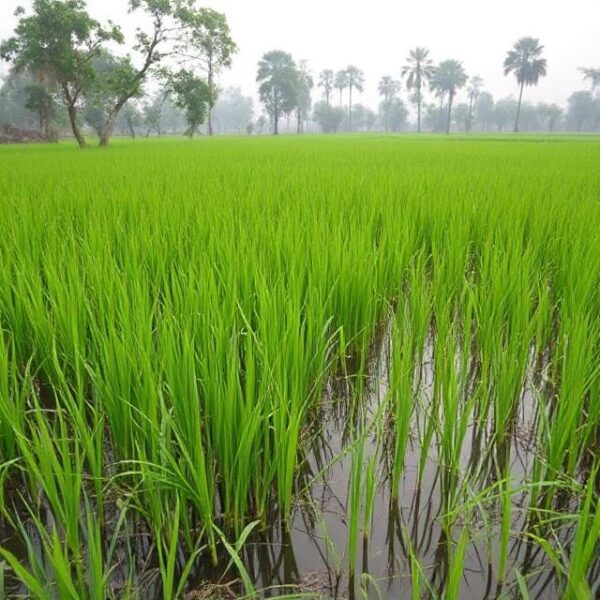
Southern rice black-streaked dwarf virus, locally referred to as “bona virus”, has been detected in paddy fields across several villages in Kangra district’s Rait block, raising serious concerns among farmers and agricultural experts.
Shahpur MLA and Deputy Chief Whip Kewal Singh Pathania, along with a team of agricultural specialists, inspected the affected fields in Puhada village on Saturday. The team interacted with farmers to assess the extent of crop damage and discussed preventive measures to curb the spread of the disease.
Speaking with farmers, Pathania highlighted the seriousness of the problem. “Plants infected with this virus grow only up to one-third of their normal height. Their roots weaken, and the risk of premature destruction increases significantly,” he said. The disease is transmitted by the white-backed plant hopper, a pest insect.
According to official estimates, paddy has been cultivated over 2,930 hectares in Rait block. Villages reporting bona virus outbreaks include Prei, Ladwara, 45 Mile, Basnur, Dargela, Puhada, and Nerti, while no symptoms have yet been observed in Boh, Darini, and Changar.
The Agriculture Department has stepped up containment efforts at this early stage of the outbreak. Field teams are conducting surveys, advising farmers on pest management, and supplying pesticides at a 50% subsidy to minimise losses. Awareness campaigns are also being run to ensure early detection and quick response.
Pathania urged farmers to remain vigilant. “Timely pest control is absolutely essential to stop the spread of this disease. Farmers must not delay in seeking technical guidance,” he said.
Experts, meanwhile, have warned that if the virus is not controlled promptly, it could significantly affect crop yields and farmers’ incomes in the region.