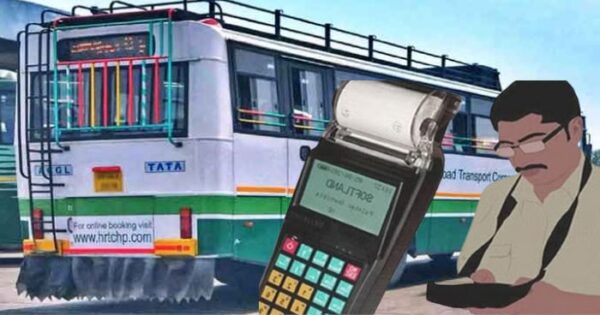
Shimla, April 19: In a move impacting thousands of daily commuters, the Himachal Pradesh government has officially doubled the minimum fare for bus travel, raising it from Rs 5 to Rs 10. A notification issued on Saturday by the Additional Chief Secretary (Transport) states that the new fare applies to a distance of up to four kilometers, replacing the earlier Rs 5 fare for two kilometers.
The fare revision, which affects all government and private stage carriage buses in the state, comes after receiving Governor’s approval under Section 67 of the Motor Vehicles Act, 1988. While longer-distance fare slabs remain unchanged, short-distance travelers—especially students, laborers, and daily wage earners—will now feel the pinch.
Why the Fare Hike?
The decision follows a recent Cabinet meeting, where the proposal to revise fares was cleared based on economic viability and operational sustainability of bus services. Officials argue that rising fuel prices and maintenance costs necessitated the change to keep public transport running efficiently.
Political Reactions: Opposition Slams the Move
The announcement has sparked sharp criticism from the opposition, with Leader of Opposition Jairam Thakur calling the fare hike “anti-people.” He pointed out that middle- and lower-income families, who rely heavily on buses, will bear the brunt—potentially adding Rs 1,000 or more to their monthly expenses.
“This government is squeezing the common man. Instead of providing relief, they’re increasing daily costs. The decision should be rolled back immediately,” said Thakur.
Public Sentiment Mixed
While some commuters have accepted the fare hike as inevitable due to inflation, others fear it will make daily travel unaffordable, especially for schoolchildren, elderly passengers, and those commuting short distances for work.
Transport officials, however, maintain that the fare adjustment is still among the lowest in hill states, and necessary to sustain bus services in tough terrain.
As the new fare structure comes into effect immediately, the spotlight now shifts to how the government will balance fiscal needs with the burden on everyday citizens.