World News
Israel’s attacks indicate rejection of ceasefire: Lebanon PM
Since fighting in Lebanon escalated on September 23, the war has killed at least 1,829 people in Lebanon.

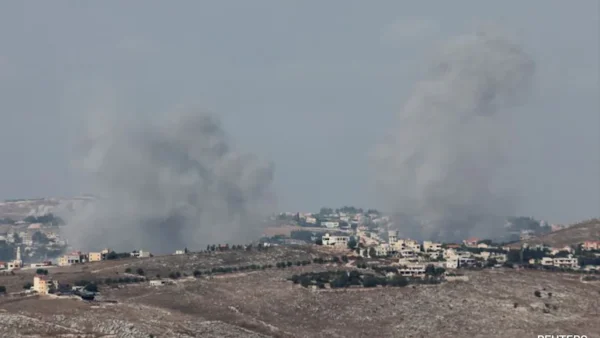
BEIRUT: Lebanese Prime Minister Najib Mikati on Friday criticised the “expansion” of Israeli attacks on his country, saying the attacks indicate a rejection of ceasefire efforts after more than a month of war.
“The Israeli enemy’s re-expansion of the scope of its aggression on Lebanese territories, repeated threats to evacuate entire cities and villages, and re-targeting the southern suburbs of Beirut with devastating attacks are all signs confirming that the Israeli enemy rejects all efforts being made to secure a ceasefire,” Mikati said.
Mikati’s statement comes a day after Israeli Prime Minister Benjamin Netanyahu met US officials to discuss a possible agreement to end the war in Lebanon.
The Lebanese prime minister said Israel’s diplomatic behavior shows it is rejecting a ceasefire.
“Israeli statements and diplomatic signals to Lebanon confirm that Israel is stubborn in rejecting the proposed solutions and insisting on an approach of killing and destruction,” Mikati said in a statement.
Since fighting in Lebanon escalated on September 23, the war has killed at least 1,829 people in Lebanon, according to an AFP tally of health ministry figures.
On Wednesday, Mikati said US envoy Amos Hochstein had indicated during a phone call that a ceasefire in the Israel-Hezbollah war was possible before the US election on November 5.
The same day, Hezbollah’s new leader said the group would agree to a ceasefire with Israel under acceptable conditions, but added that a viable deal had not yet been presented.
During talks on Thursday, Israeli leader Netanyahu told US envoys Amos Hochstein and Brett McGurk that any agreement with Lebanon must guarantee Israel’s long-term security.