World News
Iran Rejects Donald Trump 15-Point Ceasefire Plan, Sets Tough Conditions for Ending War
In a dramatic turn amid rising global tensions, Donald Trump’s ambitious 15-point ceasefire proposal to Iran has been firmly rejected, signaling that the road to peace remains uncertain.


In a dramatic turn amid rising global tensions, Donald Trump’s ambitious 15-point ceasefire proposal to Iran has been firmly rejected, signaling that the road to peace remains uncertain.
For a brief moment, hopes of de-escalation surfaced when the United States, through backchannel diplomacy, presented a framework aimed at halting the ongoing conflict. The proposal included a temporary pause in hostilities and sweeping restrictions on Iran’s nuclear and missile programs in exchange for sanctions relief and economic incentives.
But Tehran isn’t buying it.
🇮🇷 Iran Draws a Clear Line
Iranian officials responded cautiously—but firmly—making it clear that any ceasefire will happen only on their own terms.
According to reports, Iran has laid down key conditions:
- Immediate end to military attacks
- Strong guarantees against future US aggression
- Compensation for war damages
Most importantly, Iran has refused to negotiate on its missile program, calling it a non-negotiable pillar of national defense.
“Iran will end the war when it decides to do so,” an official told Press TV, emphasizing that Tehran is prepared to continue its response until its demands are met.
⚠️ What Was in Trump’s Plan?
The US proposal was far-reaching and demanded major concessions from Iran, including:
- Permanent renunciation of nuclear weapons ambitions
- Strict limits on uranium enrichment
- Dismantling key nuclear facilities
- Ending support for groups like Hamas and Hezbollah
- Ensuring safe global shipping through the Strait of Hormuz
In return, Washington offered phased sanctions relief and potential support for a civilian nuclear program under international supervision.
However, diplomats suggest this plan closely resembles earlier proposals that failed—raising doubts about whether it could succeed this time.
🏛️ US Signals Talks—but Also Power
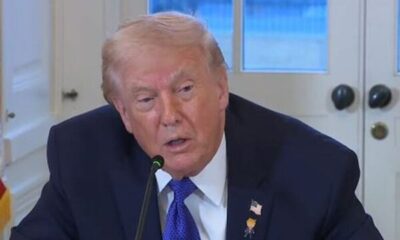
Speaking from the White House, Trump indicated that negotiations are still ongoing and hinted at possible progress.
“We are in negotiations right now… the other side would like to make a deal,” he said.
He also revealed that key officials like Marco Rubio and JD Vance are actively involved in the process.
Interestingly, Trump claimed Iran had offered a “very big” oil- and gas-related gesture, though he did not provide details.
At the same time, he projected strong military confidence, stating that US forces have significant operational freedom over Tehran and that Iran’s air defenses have been largely weakened—claims that remain unverified.
🌍 A Fragile Situation
Despite diplomatic signals, the gap between the two sides remains wide.
Iran’s insistence on security guarantees and compensation clashes sharply with US demands for strategic rollbacks. This deadlock continues to fuel uncertainty—not just in the region, but across global markets closely watching every development.
For now, the possibility of peace exists—but only on paper.