Himachal Pradesh News
Himachal Budget 2026: Salary Cuts, Welfare Push & Tough Choices Amid Fiscal Crisis
In a year marked by financial strain, Himachal Pradesh Chief Minister Sukhvinder Singh Sukhu presented a cautious and reality-driven budget for 2026–27. With the state facing a major financial crunch after losing over 8,000 crore in annual grants, the government has opted for a balanced mix of austerity and welfare.

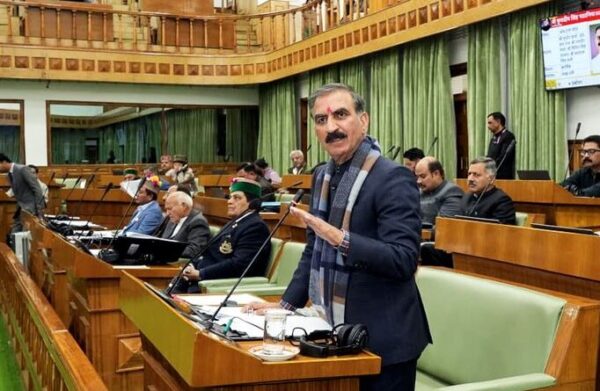
In a year marked by financial strain, Himachal Pradesh Chief Minister Sukhvinder Singh Sukhu presented a cautious and reality-driven budget for 2026–27. With the state facing a major financial crunch after losing over 8,000 crore in annual grants, the government has opted for a balanced mix of austerity and welfare.
The total budget stands at 54,928 crore — noticeably smaller than last year — reflecting the need to tighten spending while still supporting the people who need it the most.
Leaders Take a Pay Cut to Share the Burden
In a rare and symbolic move, the government has decided that those in power will share the financial pain.
- Chief Minister: 50% salary deferment
- Ministers: 30%
- MLAs: 20%
- Senior officials: Similar cuts
This is not a permanent cut — the deferred salaries will be returned once the state’s finances improve. The move sends a strong message of accountability and shared responsibility during difficult times.
A State Under Financial Pressure
Himachal’s financial situation is tight — and the numbers clearly show it:
- Total debt: 1.04 lakh crore
- For every 100 spent:
- 80 goes to salaries, pensions, and loans
- Only 20 is left for development
For 2026–27:
- Revenue: 40,361 crore
- Expenditure: 46,938 crore
- Deficit: 9,698 crore
This gap highlights why the government is being forced to make some hard choices.
Relief for the Poor: Welfare Still a Priority
Despite the crisis, the government hasn’t stepped back from supporting vulnerable groups.
The Mukhya Mantri Apna Sukhi Parivar Yojana aims to help the poorest families with:
- 300 units of free electricity
- Housing support
- 1,500 monthly aid for women
Around 1 lakh families are expected to benefit from this initiative.
Special Focus on Tribal & Pastoral Communities
A major highlight is the 300 crore PEHEL scheme, designed for around 40,000 families from Gaddi, Gujjar, and Kinnaura communities.
Key benefits include:
- Digital identity cards
- Insurance coverage
- Better livestock support
- Wool price fixed at ₹100/kg
This shows a strong push toward preserving livelihoods in remote and tribal regions.
Big Boost for Farmers and Dairy Sector
To improve farmers’ income, the government has increased MSP (Minimum Support Price):
- Wheat: 60 → 80/kg
- Maize: 40 → 50/kg
- Turmeric: 90 → 150/kg
- Ginger added under MSP
Milk producers will also benefit from a 10 per litre increase in procurement prices.
Additionally, a 62 crore poultry scheme aims to create self-employment opportunities in rural areas.
Urban Development Still on Track
Even with limited funds, the government is planning for the future.
Three new urban hubs are proposed:
- Kangra Aerocity
- Him Panchkula
- Him Baddi
These projects indicate that long-term development hasn’t been ignored.
Mixed Signals for MLAs & Governance
While funding under MLA schemes has been increased slightly, the MLA Area Development Fund has been cut by half. This reflects a balancing act between political needs and financial discipline.
Some Relief for Workers
For daily wage earners and grassroots workers, there’s some good news:
- Daily wages increased from 450 to 475
- Higher honorariums for:
- Anganwadi workers
- ASHA workers
- Mid-day meal staff
- Other support workers
The Bottom Line
This budget is not about big promises — it’s about survival, stability, and slow recovery.
Himachal Pradesh is clearly going through a challenging phase, but the government is trying to strike a balance between financial discipline and social responsibility.
The coming year will test how well these tough decisions translate into real impact on the ground.