World News
Iran Accuses US of Deadly Strike on School as Tensions Escalate in West Asia
Iran has strongly condemned the United States following a deadly strike that reportedly hit a primary school in southern Iran, killing more than 160 people, many of them children. The incident has further intensified tensions across West Asia.

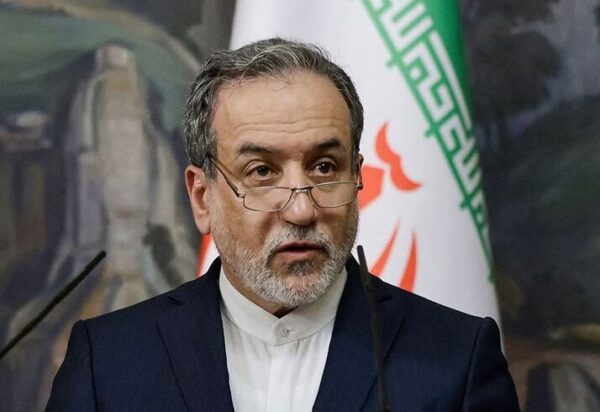
Iran has strongly condemned the United States following a deadly strike that reportedly hit a primary school in southern Iran, killing more than 160 people, many of them children. The incident has further intensified tensions across West Asia.
Iran’s Foreign Minister Syed Abbas Araghchi on Saturday accused the United States of launching attacks from the territory of Arab countries and targeting innocent civilians.
In a post on X (formerly Twitter), Araghchi said Iran and Arab nations have historically shared a long relationship built on friendship and mutual respect.
“Iran and the Arab brothers have lived side by side for centuries in a spirit of affection, friendship, and mutual respect,” Araghchi wrote. “The American aggressors launch attacks from the lands of our Arab friends to target children and innocent people. Iran’s response will inevitably be directed at US bases and institutions.”
School Strike Sparks Global Outrage
The controversy erupted after a devastating strike hit Minab Girls’ Primary School in Hormozgan province, leaving more than 160 people dead and over 100 injured. Images and videos circulating online triggered widespread international concern over civilian casualties.
According to a recent CNN investigation, multiple sources suggest the strike may have been carried out by US forces.
The report cited satellite imagery, geolocated videos, and expert analysis, which indicate that the Shajare Tayyiba elementary school in Minab was struck on February 28, around the same time US forces reportedly attacked a nearby Islamic Revolutionary Guard Corps (IRGC) naval base.
Possible Targeting Failure
Weapons analysts believe the tragedy may have been the result of a targeting error during the attack.
Trevor Ball and munitions expert N.R. Jenzen-Jones told CNN that the most likely scenario is that the US strike intended for the nearby military facility mistakenly hit the school.
“It’s probably a targeting failure,” Jenzen-Jones said. “Somewhere in the targeting cycle an intelligence error occurred, or the information used to identify the site was outdated.”
Experts suggested the school might previously have been part of the IRGC compound, which could have led to confusion during the strike.
US Investigation Underway
So far, US officials have not confirmed or denied responsibility for the incident.
When asked for comment, the US Defense Department referred CNN to Central Command (CENTCOM). CENTCOM said it would be inappropriate to comment while the matter remains under investigation.
Earlier, the command acknowledged reports of civilian harm and said it was reviewing the situation carefully.
US Defense Secretary Pete Hegseth also confirmed that an investigation has been launched.
Meanwhile, a Reuters report cited US military investigators who believe it is likely American forces were responsible for the strike.
Russia, US Lawmakers Exchange Accusations
The geopolitical situation has grown more complicated as global powers react to the conflict.
Iranian President recently held a phone call with Russian President Vladimir Putin, discussing the rapidly evolving situation.
However, US Congressman Joe Wilson accused Russia of fueling the conflict by sharing intelligence with Iran.
“War criminal Putin is killing Americans by providing Iran intel,” Wilson wrote on X. “Russia must be held accountable for the chaos and deaths.”
Conflict Intensifies Across the Region
The latest tensions come after a joint US-Israel military strike on February 28 targeted Iranian territory. The attack reportedly killed Iran’s Supreme Leader Ayatollah Ali Khamenei along with several senior officials.
In response, Iran launched multiple waves of drone and missile attacks targeting locations across several Arab countries, raising fears of a broader regional conflict.
With investigations still ongoing and diplomatic tensions rising, the incident has become one of the most serious flashpoints in the region in recent years.