Himachal Pradesh News
UNESCO-Backed Reforms to Transform Himachal Pradesh into a Leading Education Hub: Rohit Thakur
Himachal Pradesh is setting its sights on becoming a model education hub for the country, backed by focused reforms and strategic collaboration with UNESCO. Education Minister Rohit Thakur on Thursday said the state is committed to building a future-ready school system despite geographical challenges and frequent natural disasters.

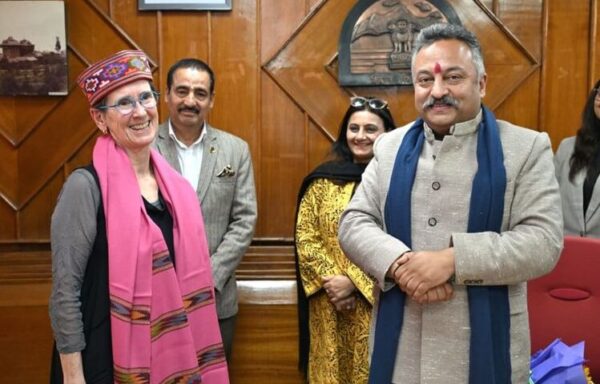
Himachal Pradesh is setting its sights on becoming a model education hub for the country, backed by focused reforms and strategic collaboration with UNESCO. Education Minister Rohit Thakur on Thursday said the state is committed to building a future-ready school system despite geographical challenges and frequent natural disasters.
Chairing the third Steering Committee meeting of the HP FUTURES project, organised by Samagra Shiksha, Thakur reviewed the progress made so far and outlined the roadmap for the next phase. He described the UNESCO partnership as a strong step toward delivering world-class education in the hill state.
What is the HP FUTURES Project?
Launched in 2025, the HP FUTURES initiative is aligned with the National Education Policy (NEP) 2020 and the National Curriculum Framework (NCF) 2023. The project aims to transform schools into inclusive, climate-resilient and innovation-driven institutions.
The reforms will begin in 12 PM SHRI schools, expand to 99 such schools across the state, and eventually scale up statewide. According to the minister, the goal is not just structural change but a shift in mindset — moving beyond rote learning to competency-based education.
Three Key Pillars of Reform
The project rests on three core pillars:
- Competency-Based Education – Encouraging critical thinking, problem-solving and practical learning over memorisation.
- Value Education Through Sports – Building leadership, discipline, teamwork and resilience among students.
- Greening Education – Promoting environmental awareness and sustainability through strengthened eco-clubs.
Around 200 teachers, including senior secondary physical education lecturers, have already been trained under the sports-based value education component. Eco-clubs across schools are also witnessing higher student participation in sustainability activities.
From Policy to Classroom Impact
Thakur emphasised that recommendations must lead to visible improvements in classrooms, learning outcomes and overall school functioning. He called for strict, time-bound implementation with close monitoring to ensure reforms translate into real change on the ground.
Balancing Ambition with Financial Constraints
Acknowledging financial challenges, the minister noted that only about 3 per cent of the state budget is allocated to education, with a major share going towards salaries and pensions. Despite limited resources, he reaffirmed the government’s commitment to meaningful and outcome-driven reforms.
With UNESCO’s guidance and coordinated efforts from institutions such as SCERT, DIETs and civil society organisations, Himachal Pradesh is positioning itself not just as a state improving its schools — but as a potential national model for educational transformation.