Himachal Pradesh News
Himachal Pradesh apple growers oppose Centre’s US import deal, fear blow to local market
Himachal Pradesh apple farmers have opposed the Centre’s decision to import US apples at reduced duty, saying the move will hurt local growers, impact prices of premium apples and threaten the state’s horticulture economy.

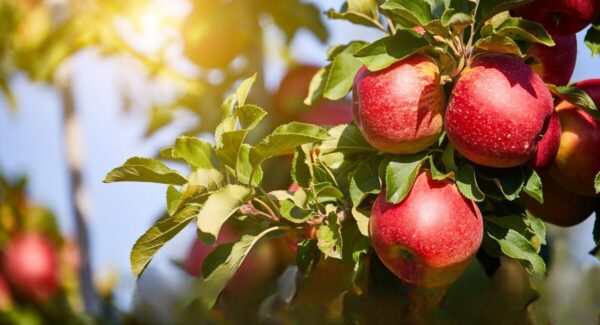
Himachal Pradesh apple farmers have opposed the Centre’s decision to import US apples at reduced duty, saying the move will hurt local growers, impact prices of premium apples and threaten the state’s horticulture economy.
The Centre’s decision to allow the import of US apples at reduced duty rates has triggered concern among apple growers in Himachal Pradesh, with many fearing that the move could hurt the state’s horticulture-based economy.
Under the revised trade terms, the import duty on US apples has been cut from 50 per cent to 25 per cent, while the Minimum Import Price (MIP) has been raised from Rs 50 per kg to Rs 80 per kg. According to the India-US trade arrangement, imported apples are expected to land in India at around Rs 100 per kg.
Growers say this pricing directly competes with Himachal’s premium-quality apples, which fetch similar rates in the market.
Harish Chauhan, convener of the Sanyukt Kisan Manch, warned that the decision could severely impact local farmers.
“It’s the same price that our premium apples get. If imported apples are available at similar rates, consumers may prefer foreign produce, putting our farmers at a disadvantage,” he said.
Chauhan also expressed concern over the viability of controlled atmosphere (CA) storage facilities. “Why would traders buy our apples at Rs 85–90, pay storage costs, and sell them at a higher price when US apples are available cheaper? This will make CA stores unsustainable,” he added.
Rejecting claims that US apples were earlier landing at Rs 75 per kg, Chauhan questioned the logic. “If that was the case, how were they being sold at Rs 200–250 in the market?” he asked.
Lokinder Bisht, president of the Progressive Growers Association (PGA), said the premium segment would face the maximum impact, though the MIP and tariff might offer limited protection.
“The MIP should have been at least Rs 100 to safeguard local growers. If the price of our premium apple falls, it will affect lower grades too,” he said, adding that restrictions on the quantity of imports are necessary. “Unlimited imports will pose a serious threat to the local economy.”
However, not all growers see the move negatively.
Dimple Panjta, president of the Himalayan Society for Horticulture and Agriculture Development, said the competition could push local farmers to improve quality.
“Our apples are good enough to compete globally. Instead of seeking protection, we should focus on better planting material, subsidies and improving productivity,” Panjta said. “This can be an opportunity rather than a setback.”
Himachal Pradesh’s apple industry supports lakhs of families and forms the backbone of the state’s rural economy, making any policy change in imports a matter of serious concern for growers.