Himachal Pradesh News
Himachal Pradesh News : Himachal tops India in substandard medicines, 49 drug samples fail quality checks
Himachal Pradesh accounts for the highest number of substandard medicines in India, with 49 drug samples failing CDSCO quality tests in a nationwide audit.

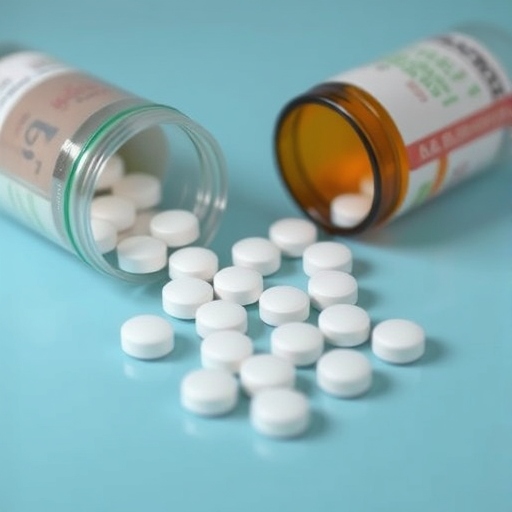
A nationwide quality audit conducted by the Central Drugs Standard Control Organisation (CDSCO), in coordination with state drug regulators, has revealed widespread lapses in pharmaceutical manufacturing standards, with Himachal Pradesh emerging as the biggest contributor to substandard medicines in the country.
According to the drug alert issued by the CDSCO on Wednesday evening, 205 drug samples across India were declared “Not of Standard Quality” (NSQ). Of these, 49 samples were manufactured in Himachal Pradesh, accounting for 23.09 per cent of the total — the highest share recorded by any state.
Other states featuring prominently in the list include Uttarakhand with 39 failed samples, Gujarat with 27, Madhya Pradesh with 19, Tamil Nadu with 12 and Haryana with nine. Telangana and Chennai reported seven samples each, followed by Sikkim and Puducherry with five each. Maharashtra accounted for four, while Punjab and West Bengal reported three samples each. Two samples each were traced to Mumbai, Andhra Pradesh, Jammu and Kashmir, Karnataka, Rajasthan and Uttar Pradesh. One substandard drug sample was also reported from Kerala.
Within Himachal Pradesh, pharmaceutical units operating in industrial clusters such as Baddi, Barotiwala, Nalagarh, Solan, Kala Amb, Paonta Sahib and Una have come under regulatory scrutiny. In a particularly alarming finding, five drug samples manufactured by a single unit in Kala Amb failed quality parameters, pointing to serious non-compliance with prescribed manufacturing norms.
The drugs flagged in the alert are commonly prescribed for a wide range of ailments, including bacterial infections such as typhoid, lung, urinary tract and gastrointestinal infections, as well as respiratory conditions like cough, bronchitis, asthma and allergies. Medicines related to digestive health — including treatments for acidity, ulcers, gas and constipation — also feature prominently.
More worryingly, the list includes drugs used for managing chronic and potentially life-threatening conditions such as diabetes, hypertension, cardiac disorders, neurological illnesses, skin diseases and inflammatory conditions. The affected categories span antibiotics, painkillers, anti-diabetic drugs, cough syrups, iron supplements and injectable medicines, significantly heightening public health concerns.
The CDSCO’s November 2025 drug alert noted that several samples failed the dissolution test, raising doubts about their absorption and therapeutic effectiveness. In other cases, the active pharmaceutical ingredient was found below prescribed limits, while some samples failed basic description and identification tests. Experts warn that such deficiencies can severely compromise treatment outcomes and patient safety.
In response, regulatory authorities have ordered batch recalls and initiated risk-based inspections of the manufacturing units involved. State Drugs Controller Dr Manish Kapoor said show-cause notices have been issued to all erring manufacturers. “Any compromise on drug quality will not be tolerated. Protecting public health remains the government’s top priority,” he said, adding that field officers have been directed to conduct detailed investigations.